Java is a living museum. From the massive 9th-century stone carvings of Borobudur to the Art Deco masterpieces of Bandung, the island’s skyline tells a story of empires, trade, and artistic evolution. With Semeru Travel, embark on a curated heritage architecture tour that uncovers the structural soul of Indonesia’s most historic island.
Java’s architectural identity is a unique fusion of Hindu-Buddhist heritage, Islamic influence, and European colonial design. Our tours are designed for history buffs, photographers, and curious travelers who want to see the details others miss.



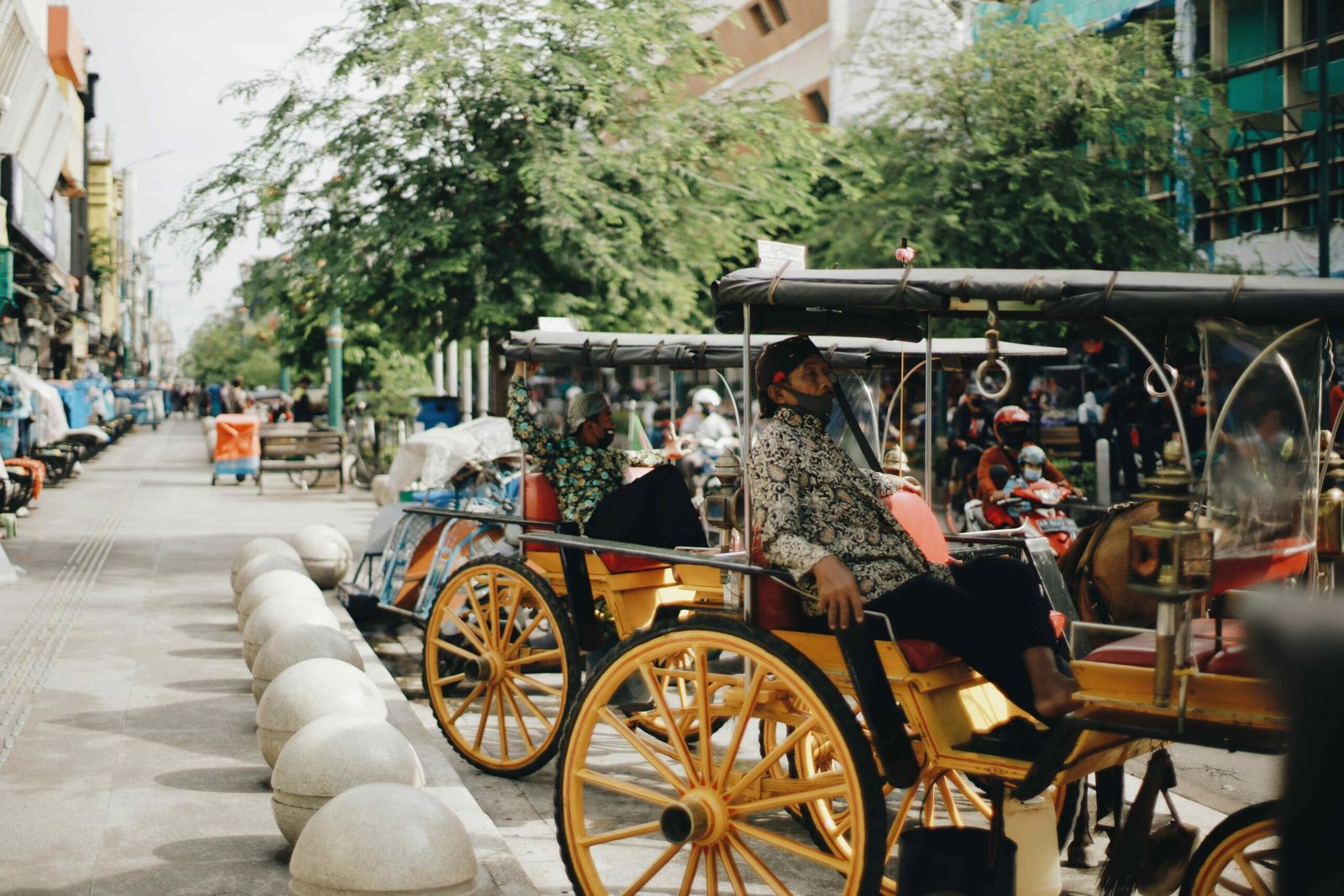
The Kraton (Sultan’s Palace) is the epicenter of Javanese architecture. Explore its grand pavilions (pendopo) and intricate gold-leaf carvings. Nearby, the Tamansari Water Castle showcases a fascinating blend of Portuguese and Javanese design, featuring hidden tunnels and bathing pools.
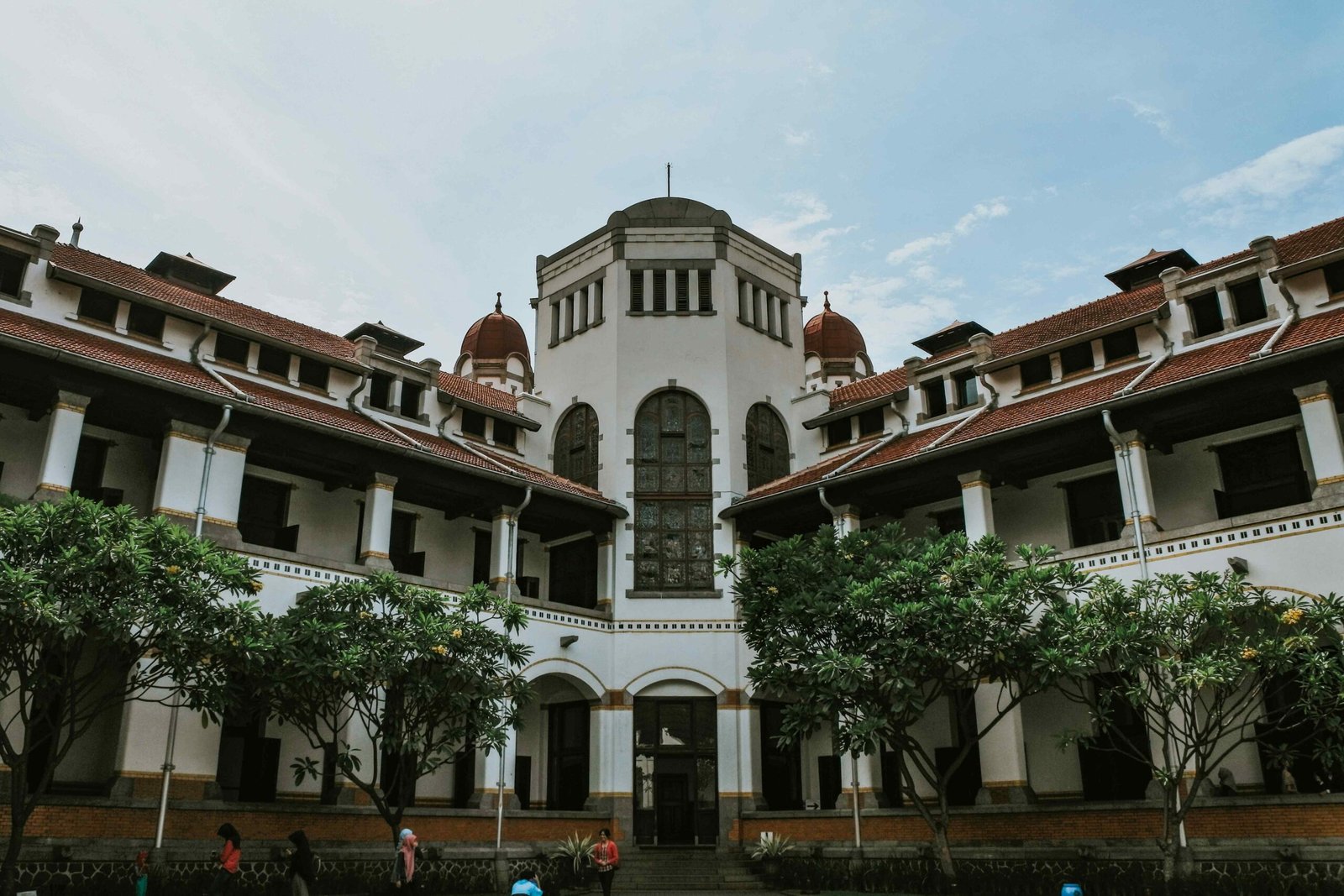
Step back into the 17th century in Jakarta’s Fatahillah Square. In Semarang, witness the iconic Lawang Sewu (A Thousand Doors), a landmark of Dutch railway architecture known for its stained glass and symmetrical cooling systems—a perfect example of European design meeting tropical functionality.
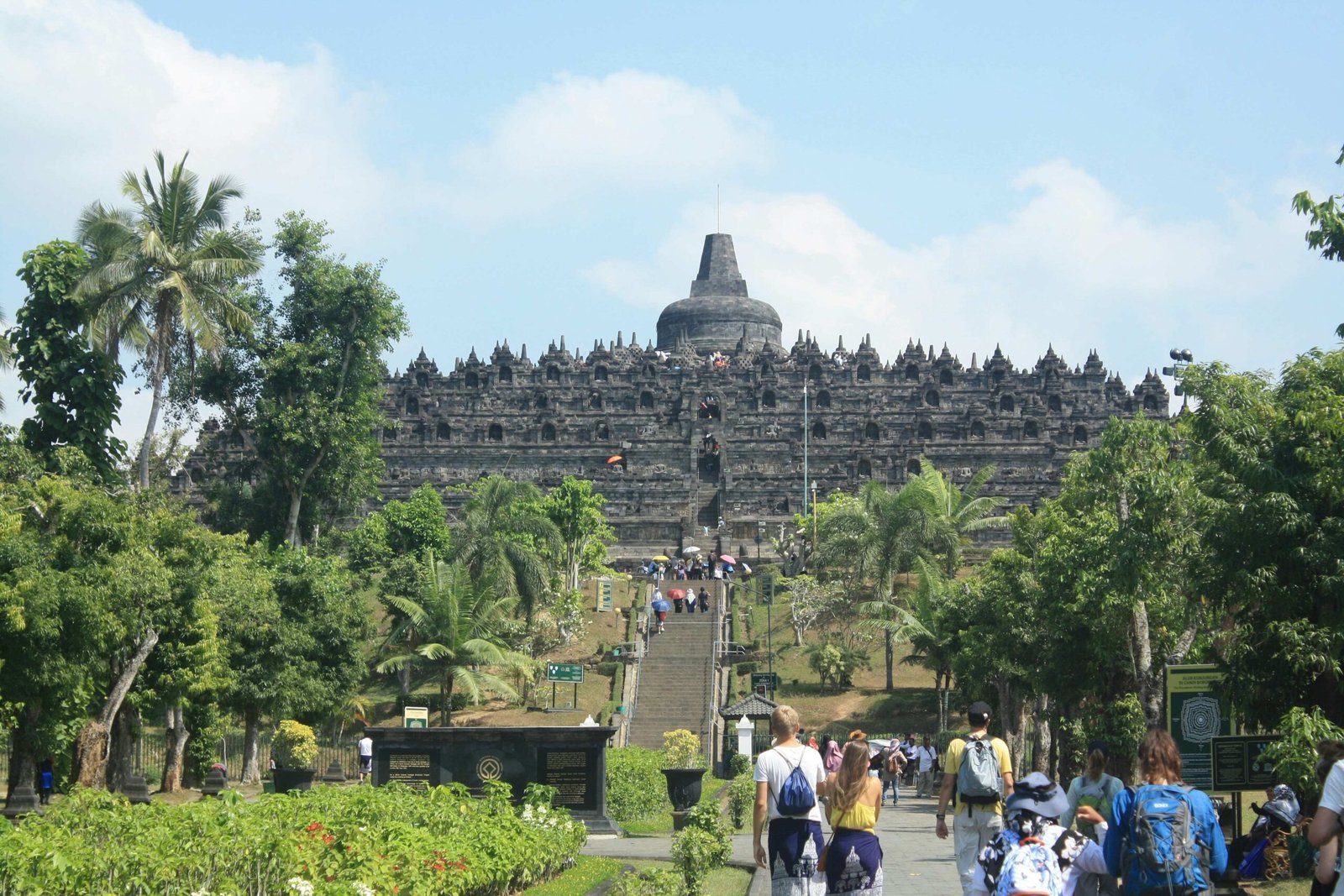
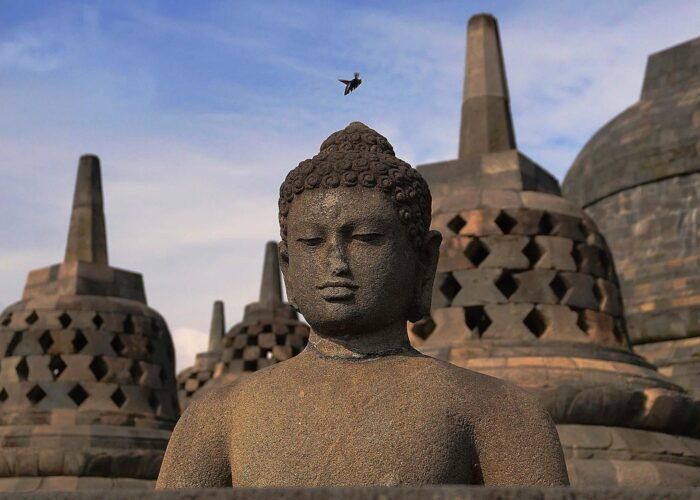
No architecture tour is complete without Borobudur and Prambanan. Borobudur is the world’s largest Buddhist temple, a massive stepped pyramid of volcanic stone. In contrast, Prambanan offers soaring, pointed shrines that exemplify classical Hindu architecture, reaching high into the sky with intricate bas-reliefs.
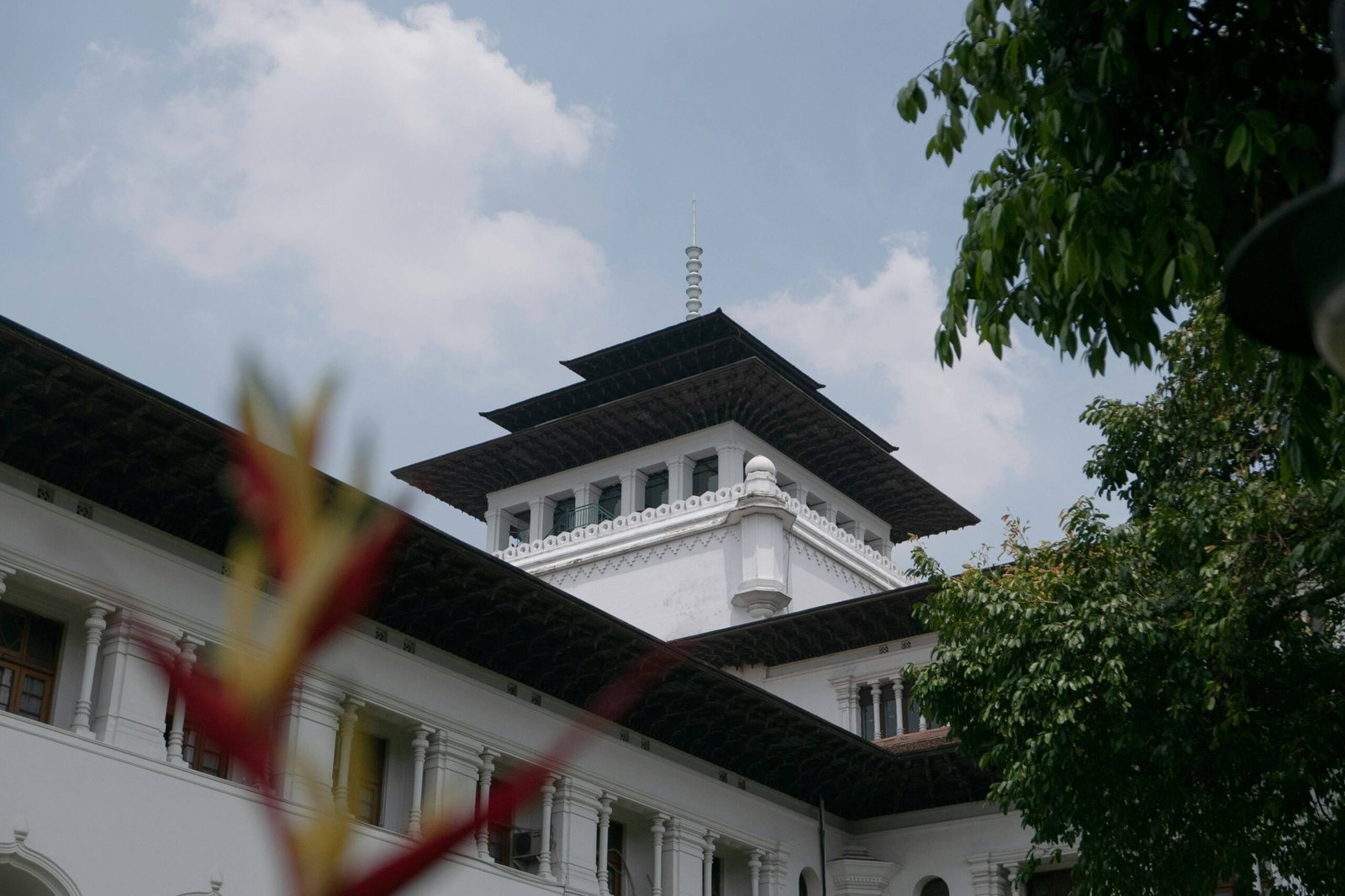
Bandung is a treasure trove for fans of Art Deco. Our tours take you to the Gedung Sate, which blends neoclassical European elements with traditional Indonesian “Satay” motifs, and the Villa Isola, an avant-garde masterpiece overlooking the city.





Absolutely! We tailor trips based on your interests, pace, and budget.
Many heritage sites, like the Kraton or Kota Tua, are easily accessible. However, ancient temples like Borobudur involve climbing steep stone steps. We can customize itineraries to focus on accessible landmarks while providing comfortable private transport between sites.
You can simply contact us via our website or email, and our travel consultants will guide you step-by-step.
Many nationalities are eligible for a Visa on Arrival (VoA), which is valid for 30 days and can be extended once. We recommend checking the latest immigration regulations based on your passport or contacting our team for assistance with your travel documents.
Yes. We can design a “Colonial Trail” itinerary that focuses exclusively on the Dutch East Indies period, visiting administrative buildings, old sugar factories, and colonial-era plantations in East and Central Java.
When visiting active religious sites like the Grand Mosque of Demak or the Sultan’s Palace, modest dress is required (shoulders and knees covered). We recommend light, breathable cotton clothing and always carry a sarong, though many sites provide them for visitors.