Discover the perfect seasons and travel tips for your dream Indonesian getaway.

The most popular time for travelers. Expect blue skies, low humidity, and perfect conditions for hiking, diving, and sailing.

Characterized by short, heavy bursts of tropical rain. While it’s the “off-peak” season, it’s also the time when the landscape is at its lushest and greenest, and the crowds are significantly smaller.
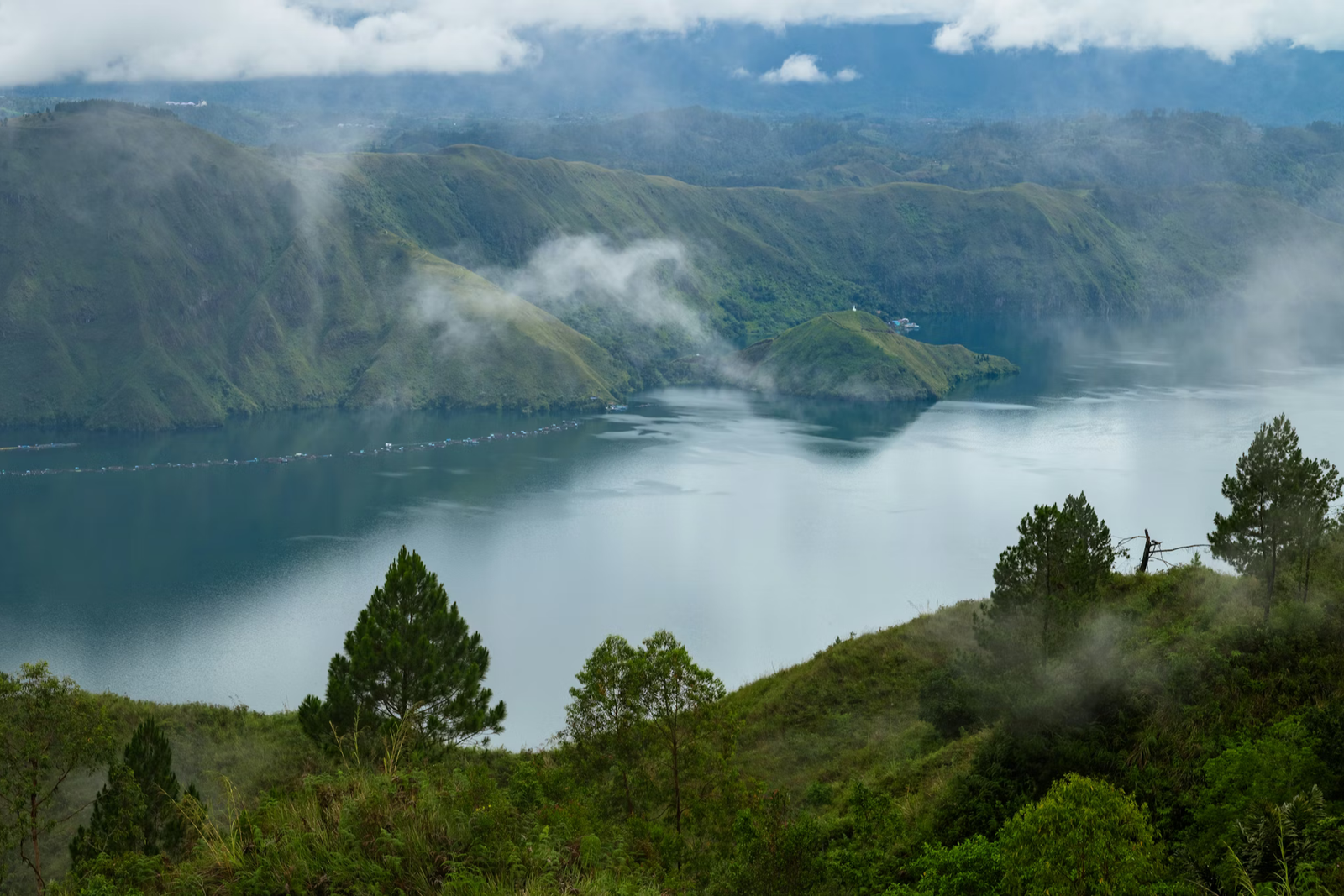
Ideal for: Nature escapes in Sumatra, rainforest adventures, fewer crowds
January is part of Indonesia’s rainy season, but several regions. Especially in Sumatra that remain attractive for travel. Rainfall often comes in short intervals, leaving plenty of time to explore lush landscapes, waterfalls, and tropical forests at their greenest.
This month is well suited for visits to North Sumatra, including Lake Toba and the surrounding highlands, where cooler temperatures create comfortable conditions for sightseeing and cultural experiences. Bukit Lawang is another great choice for jungle walks and responsible orangutan encounters along the edge of Gunung Leuser National Park.
Other parts of Sumatra, such as West Sumatra with its dramatic highlands and Minangkabau culture, also offer rewarding experiences during this quieter season. With fewer visitors and a relaxed travel pace, January is ideal for travelers seeking authentic nature, local culture, and peaceful exploration away from peak-season crowds.
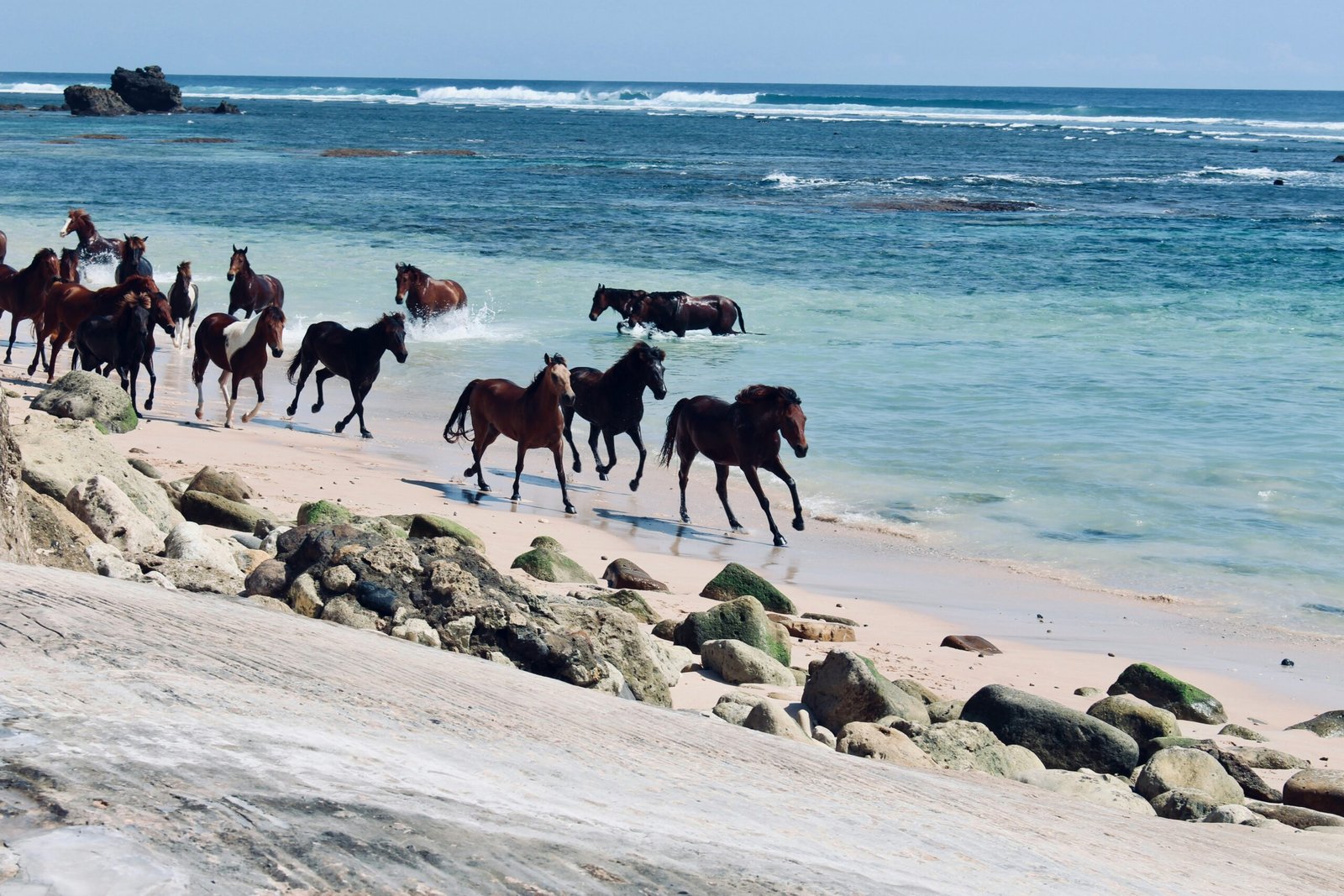
Ideal for: honeymoon trips, romantic escapes, exclusive island experiences
February is an excellent month for couples seeking privacy and meaningful travel experiences in Indonesia. While it is still part of the low season, this period offers a more intimate atmosphere, fewer visitors, and a sense of exclusivity—perfect for honeymooners.
Sumba stands out as a top romantic destination in February. Known for its dramatic savannah landscapes, pristine beaches, and secluded luxury lodges, the island offers couples a balance of comfort, nature, and cultural depth. Waterfalls, quiet coastlines, and sunset views over rolling hills create an unforgettable honeymoon setting.
Other destinations suitable for a February honeymoon include private villas in Lombok, hidden beaches in East Nusa Tenggara, and peaceful countryside retreats where couples can enjoy slow travel and uninterrupted time together. With fewer crowds and personalized services, February is ideal for travelers looking to celebrate love in a calm and naturally beautiful environment.
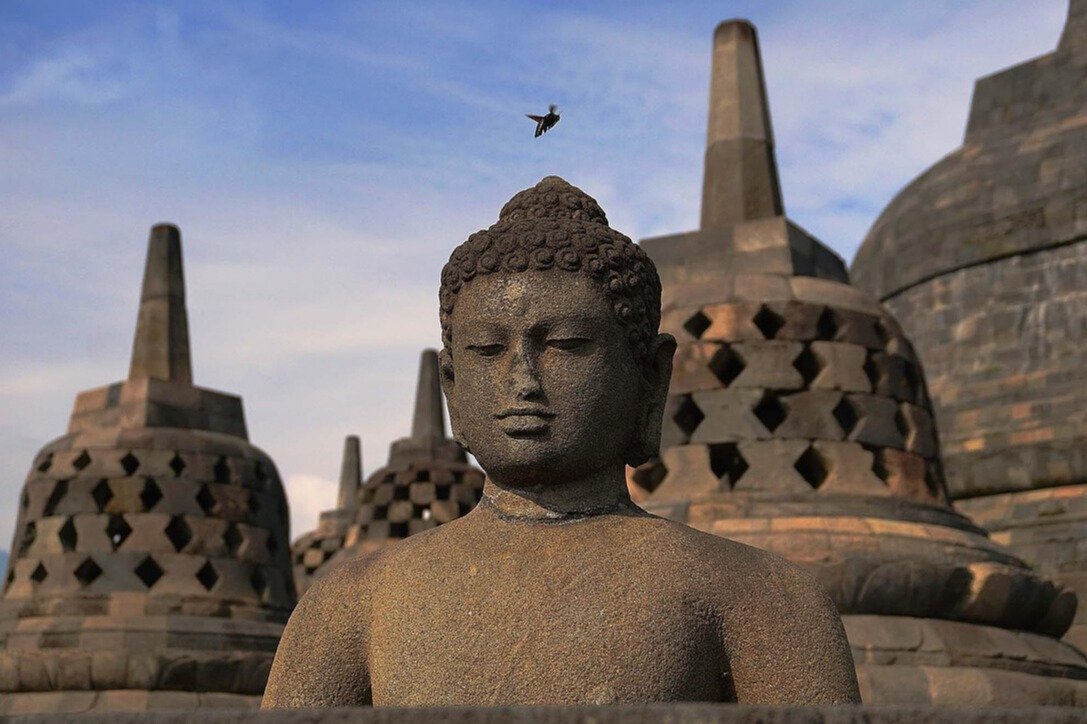
Ideal for: coastal getaways, cultural festivals, reflective experiences
March marks a transition period as the rainy season begins to ease in several regions. Coastal areas become more appealing, and short trips around Java and Bali are increasingly comfortable.
One of the most significant events this month is Nyepi, Bali’s Day of Silence. For 24 hours, the island comes to a complete standstill (no flights, no traffic, no entertainment) creating a unique atmosphere focused on reflection and renewal. Travelers should plan carefully, as activities are restricted during this time.
Beyond Bali, March is also a good month to explore Yogyakarta, including the iconic Borobudur Temple, or to experience Java’s agricultural landscapes and local industries such as coffee and cocoa production.
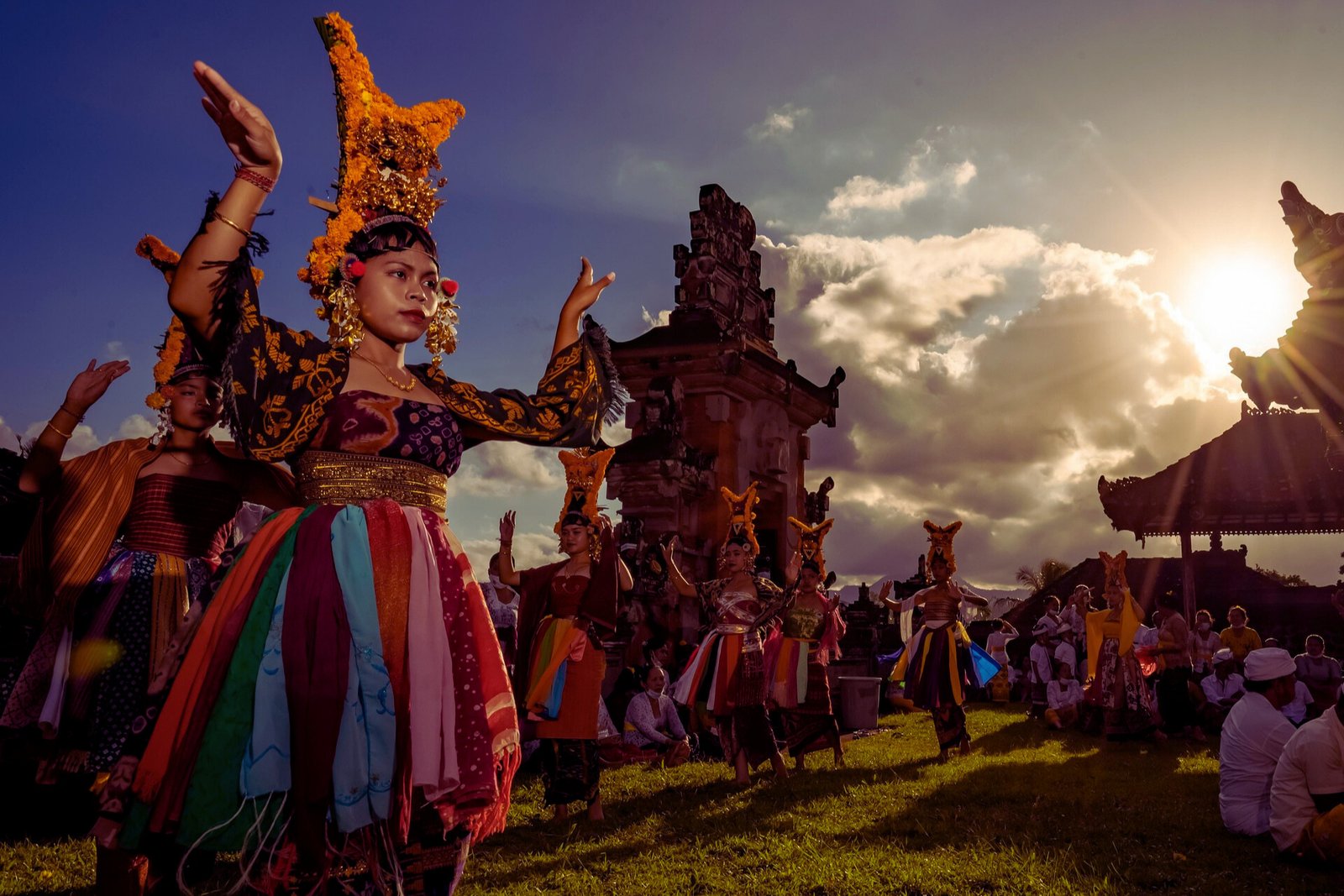
Ideal for: shoulder season travel, cultural journeys, scenic landscapes
April is a transitional month when Indonesia slowly moves from the rainy season toward the drier months. Rainfall decreases significantly in many regions, while landscapes remain lush and vibrant after months of rain. Temperatures are comfortable, and travel feels more relaxed compared to the upcoming high season.
This period is ideal for cultural exploration, especially in Java. Cities such as Yogyakarta offer rich heritage experiences, from ancient temples like Borobudur and Prambanan to traditional arts, batik workshops, and royal palaces. With fewer tourists, visitors can explore cultural sites more comfortably and enjoy a deeper connection with local life.
In Bali, April suits travelers looking for a balance between nature and wellness. Rice terraces are still green, waterfalls are flowing well, and wellness retreats, yoga programs, and cultural tours are easier to enjoy before the island becomes busier in the coming months.
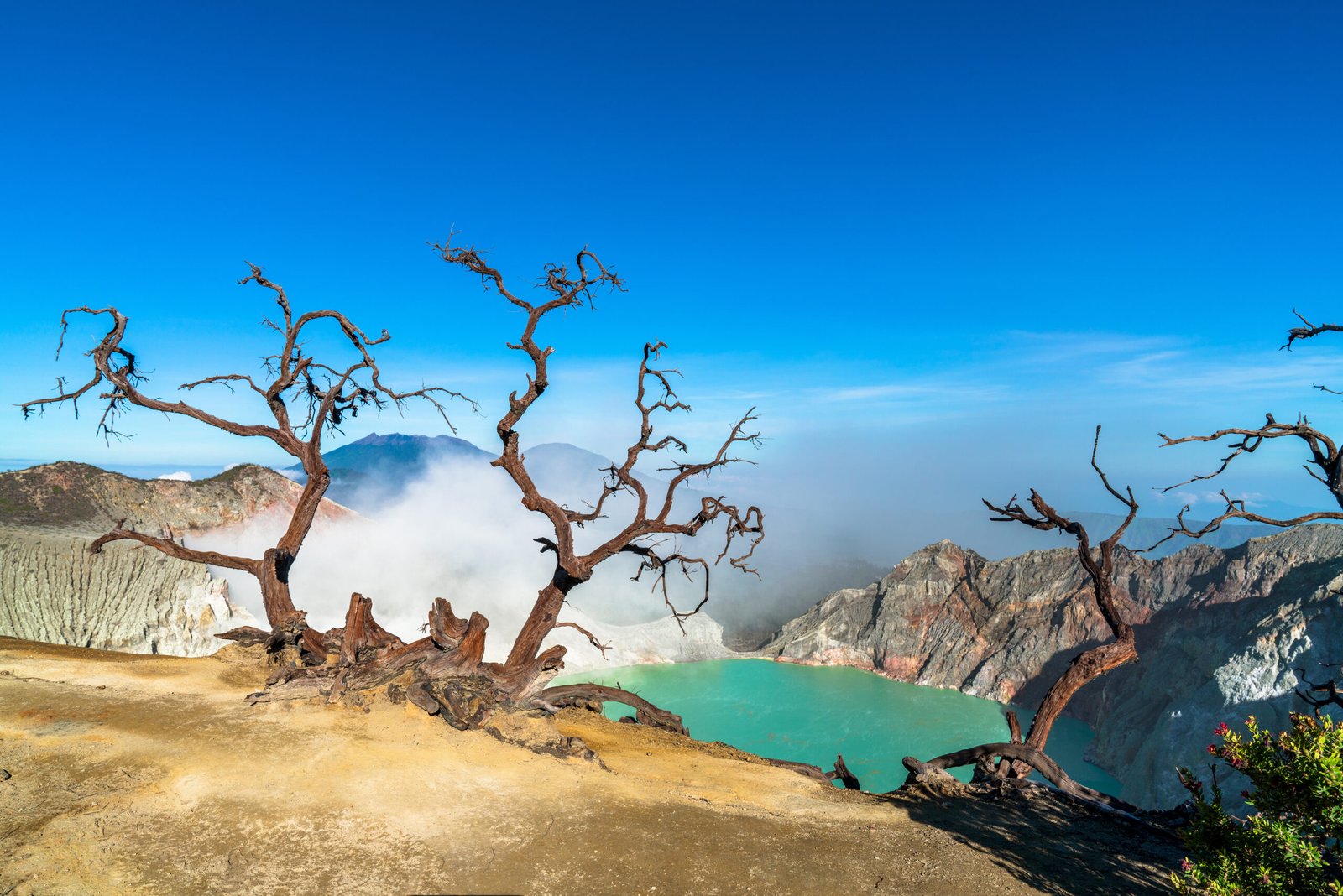
Ideal for: outdoor adventures, trekking, cultural immersion
May is one of the most pleasant months to travel in Indonesia, offering stable weather, clear skies, and comfortable temperatures. The dry season begins to establish itself, making this an excellent time for outdoor activities while the scenery remains fresh and green.
This month is particularly well suited for trekking and nature exploration. Destinations such as East Java (Mount Bromo and Ijen), Flores, and Central Java provide ideal conditions for volcano hikes, countryside walks, and scenic overland journeys without extreme heat.
May also appeals to travelers interested in culture and history. With fewer crowds compared to mid-year, cultural cities, temples, and traditional villages can be explored at a slower pace, allowing for more meaningful interactions and authentic experiences.
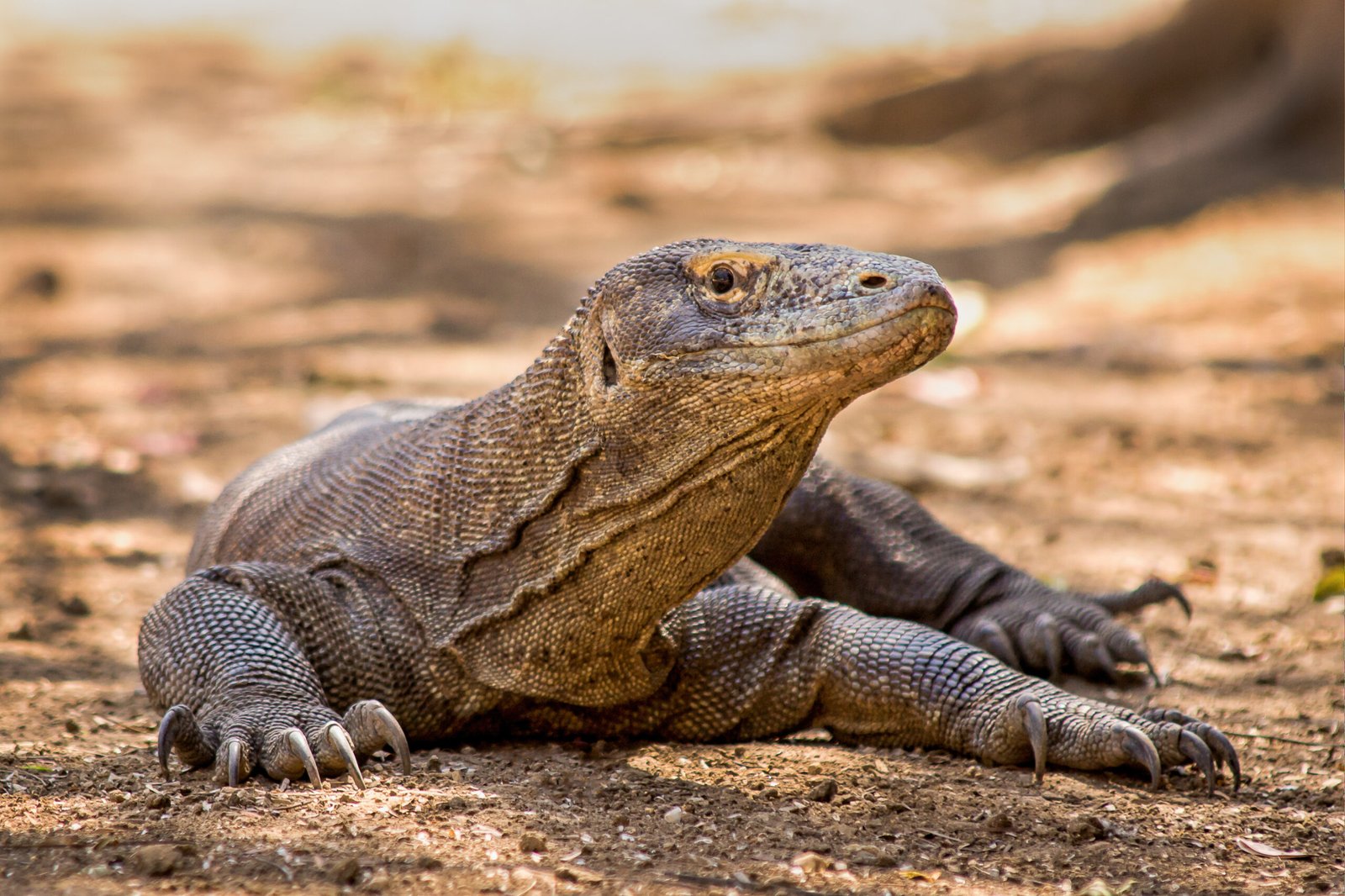
Ideal for: marine tourism, island hopping, adventure travel
June marks the beginning of the dry season across most of Indonesia, bringing calmer seas and improved visibility for marine activities. Weather conditions are generally reliable, making it a favorite month for travelers planning coastal and island-focused itineraries.
This is an excellent time to visit Komodo National Park, where sailing trips, snorkeling, and wildlife encounters can be enjoyed under clear skies. Other destinations such as Nusa Penida, Lombok, and parts of eastern Indonesia also offer ideal conditions for diving and island hopping.
June is often seen as a “sweet spot” before peak season. Travelers benefit from excellent weather while avoiding the heavier crowds of July and August, making it perfect for adventure seekers who still value comfort and flexibility.
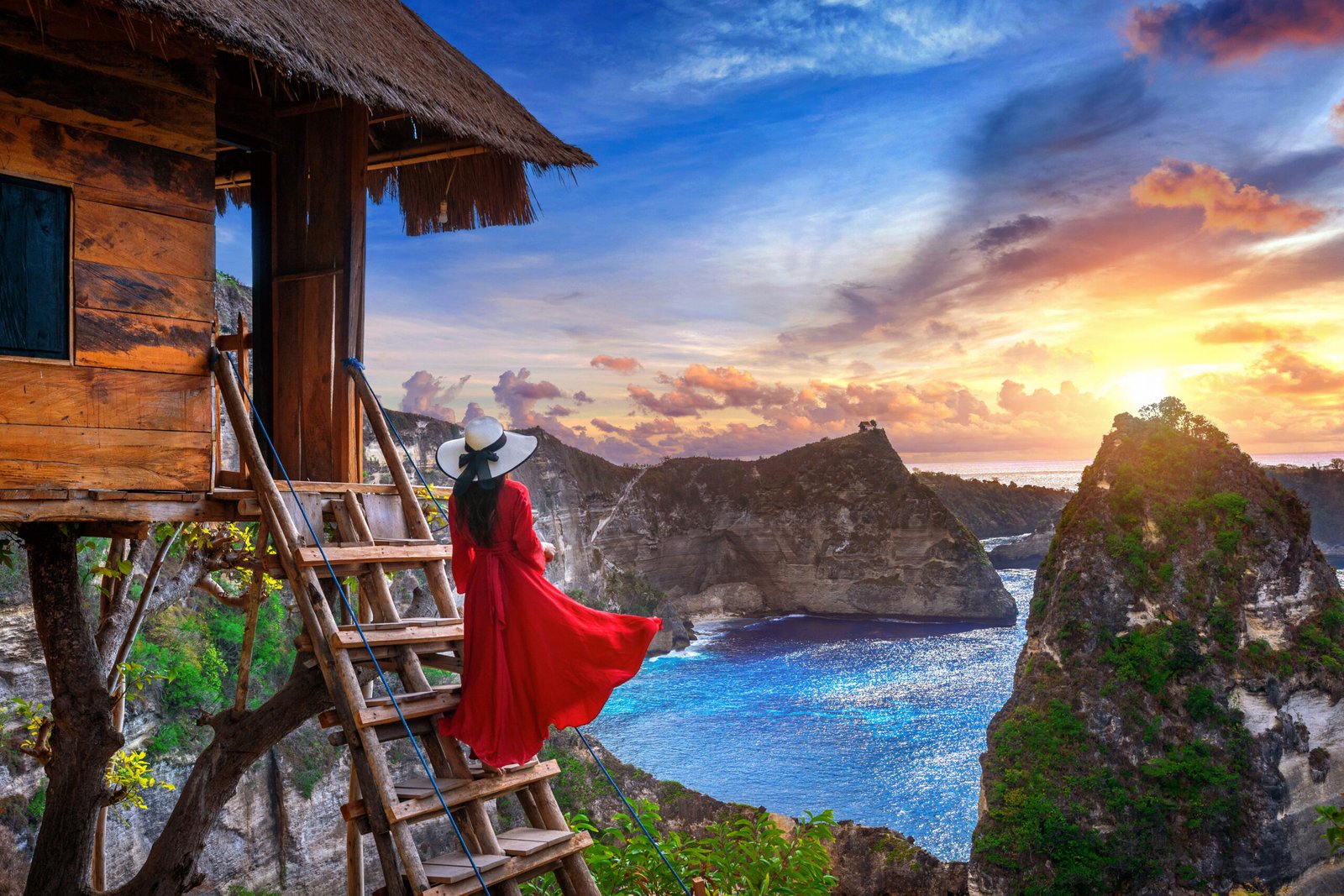
Ideal for: peak-season travel, family holidays, classic destinations
July is one of Indonesia’s busiest travel months, driven by school holidays and summer vacations from international markets. The weather is at its best, with dry days, cooler evenings, and minimal rainfall in most regions.
Popular destinations such as Bali, Lombok, Flores, and Java operate at full capacity, offering a wide range of tours, festivals, and outdoor activities. This is a great month for travelers who want access to complete tourism services and well-organized experiences.
While crowds are higher, July rewards visitors with vibrant atmospheres, cultural performances, and ideal conditions for sightseeing, beach activities, and mountain exploration. Early planning is recommended to secure accommodations and preferred travel dates.
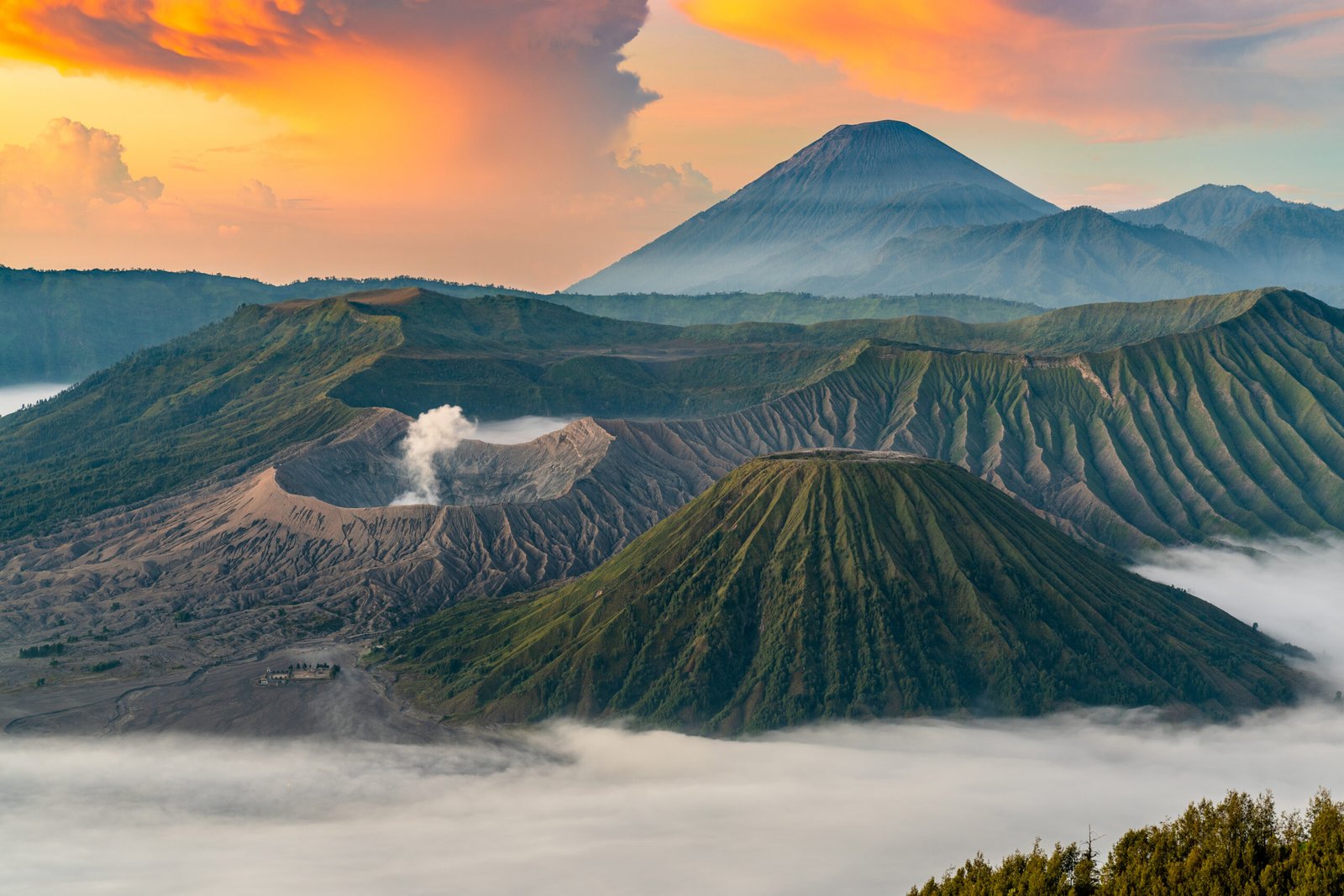
Ideal for: cultural celebrations, outdoor exploration, dry-season travel
August continues the peak of the dry season and offers some of the most reliable weather of the year. Clear skies and low humidity make it ideal for long-distance travel and outdoor adventures across the archipelago.
One of the highlights of August is Indonesia’s Independence Day, celebrated nationwide with ceremonies, traditional games, and community festivities. Travelers visiting during this period can witness local celebrations and gain insight into Indonesian culture and national pride.
Destinations such as Java, Bali, Sumba, and Komodo are especially rewarding in August. Hiking, cycling, wildlife tours, and cultural excursions can be enjoyed comfortably, making this month ideal for active travelers and photographers.

Ideal for: honeymoon trips, luxury escapes, quiet travel
September is widely considered one of the best months to travel in Indonesia. The weather remains dry and pleasant, but visitor numbers begin to decline after the busy high season, creating a calmer and more exclusive atmosphere.
This month is particularly popular for honeymoon travel. Destinations like Sumba offer secluded beaches, dramatic landscapes, and high-end resorts that provide privacy and personalized experiences. September allows couples to enjoy romance without the crowds.
Beyond honeymoon travel, September is also ideal for photography, nature exploration, and slow travel. Clear skies, softer light, and peaceful surroundings make it a favorite month for travelers seeking refined and meaningful journeys.
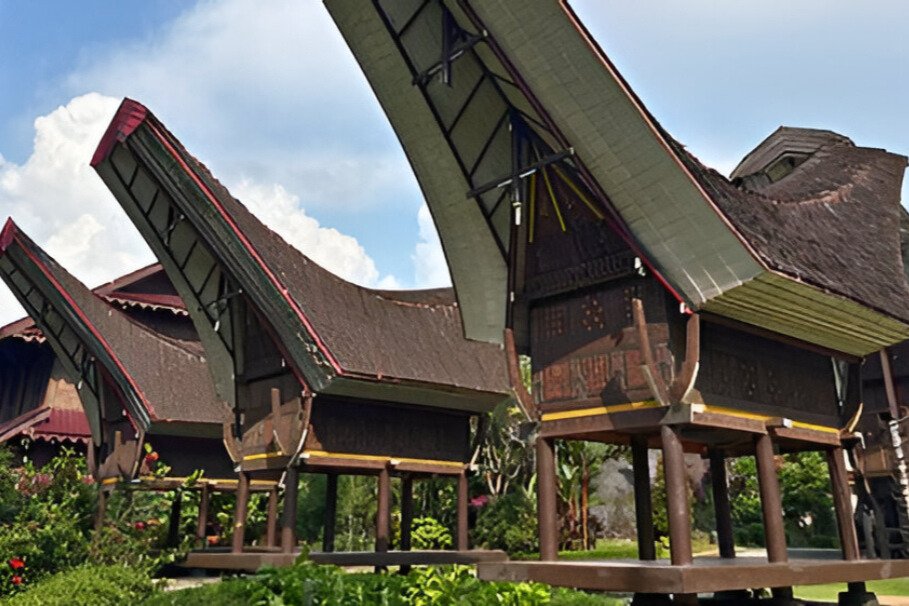
Ideal for: shoulder season travel, cultural routes, flexible itineraries
October marks the gradual transition toward the rainy season, though many regions still experience good weather, especially in the first half of the month. Tourist numbers continue to decrease, making this an attractive time for travelers looking for better value and fewer crowds.
Cultural destinations in Java and Sumatra are well suited for October travel. Heritage sites, traditional villages, and historical routes can be explored comfortably, while landscapes begin to regain a greener appearance.
October is ideal for travelers who enjoy mixed itineraries combining culture, nature, and relaxation without the pressure of peak-season schedules. It is also a good month for longer stays and flexible travel plans.
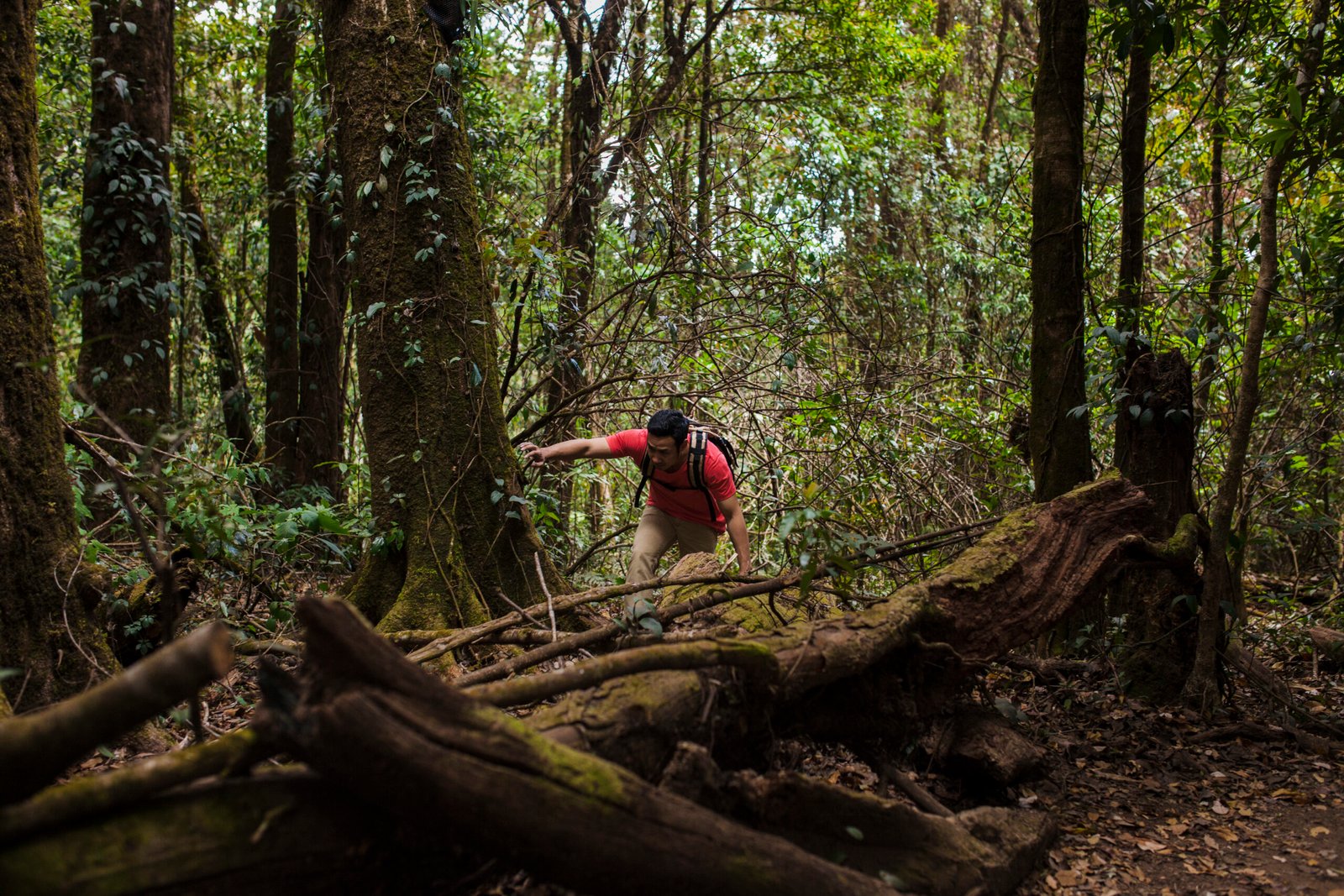
Ideal for: eco-tourism, rainforest exploration, slow-paced travel
November sees increased rainfall in many parts of Indonesia, signaling the return of the wet season. While some coastal activities may be limited, this month brings lush forests, flowing rivers, and dramatic natural scenery.
This is a rewarding time for eco-tourism and wildlife-focused travel. Regions such as Sumatra and Kalimantan offer excellent opportunities for rainforest exploration, river cruises, and conservation-based experiences with fewer visitors.
November suits travelers who prefer a slower pace and deeper connection with nature. With reduced tourist traffic, experiences feel more personal, making it ideal for responsible travel and authentic cultural encounters.
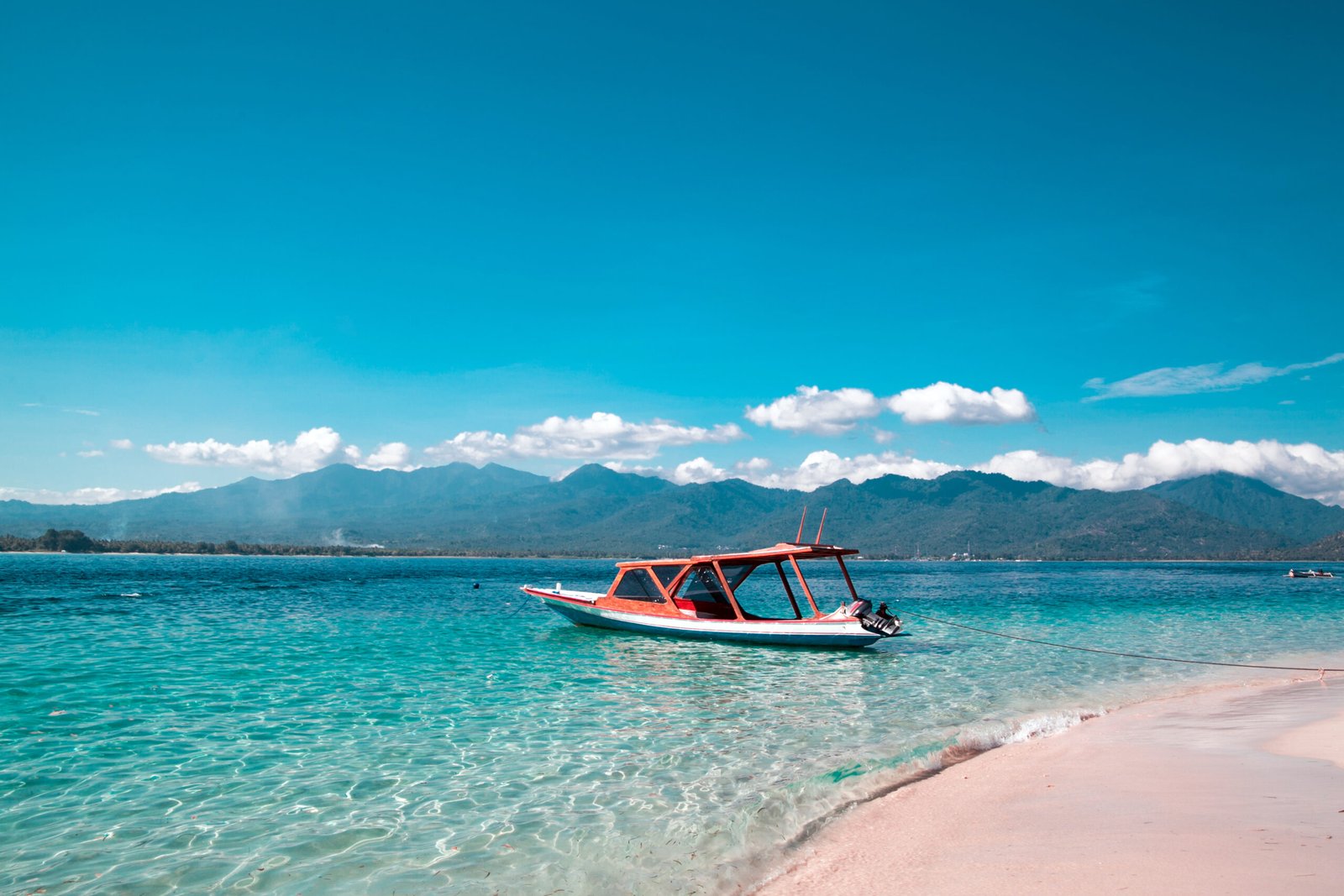
Ideal for: festive holidays, year-end travel, tropical escapes
December is one of the most popular months to visit Indonesia due to Christmas and New Year holidays. Although rainfall increases, many destinations remain attractive thanks to festive events and a lively atmosphere.
Bali, Lombok, and island resorts are popular choices for year-end celebrations, offering special holiday programs, beachside dinners, and cultural performances. Tourism services operate at full capacity during this period.
December is ideal for travelers looking to end the year with a memorable escape. Whether celebrating with family, friends, or as a couple, the combination of tropical scenery and festive spirit makes this a special time to visit Indonesia.

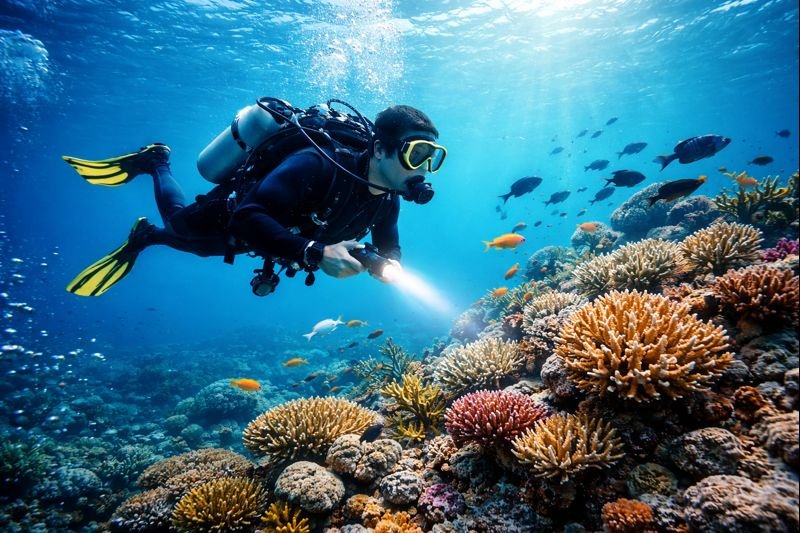
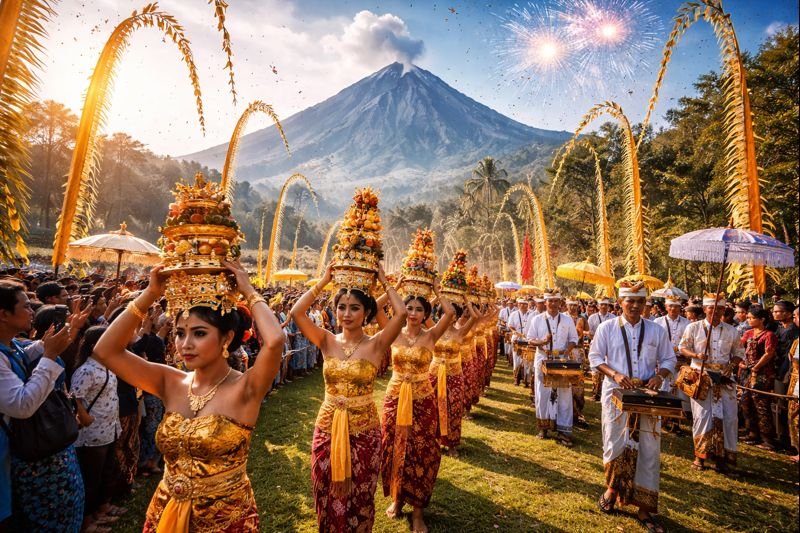

In Bali and Java, the rainy season often means an hour of rain in the afternoon followed by sunshine. It rarely ruins a whole day!
July, August, and late December are the busiest months. Book your Semeru Travel package at least 6 months in advance to secure the best boutique villas.
Check the Balinese lunar calendar. Once a year, Bali completely shuts down for 24 hours (no flights, no lights, no travel). It’s a beautiful experience but requires planning!