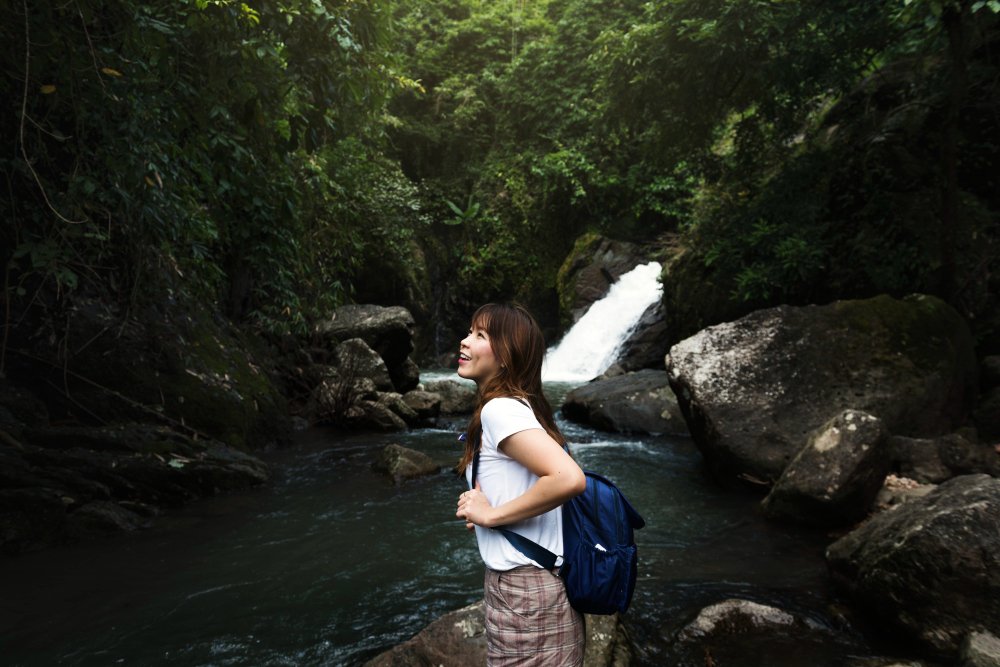
While Bali is famous for its towering cascades, Sumampan Waterfall offers a unique blend of raw nature and Balinese artistry that you won’t find anywhere else. Located in the quiet village of Kemenuh, Gianyar, just about 20–30 minutes from Ubud, this hidden waterfall is perfect for travelers seeking peace, nature, and authentic Balinese charm. It’s an ideal stop to include in a curated Bali waterfall tour for those who want to explore beyond the island’s mainstream attractions.
What makes Sumampan truly special is its peaceful atmosphere, where the sound of water meets the gentle rustle of the jungle. The site also features traditional stone carvings that add a cultural charm to the natural beauty, making it a perfect spot for quiet reflection and photography.
A Scenic Spot Worth Exploring
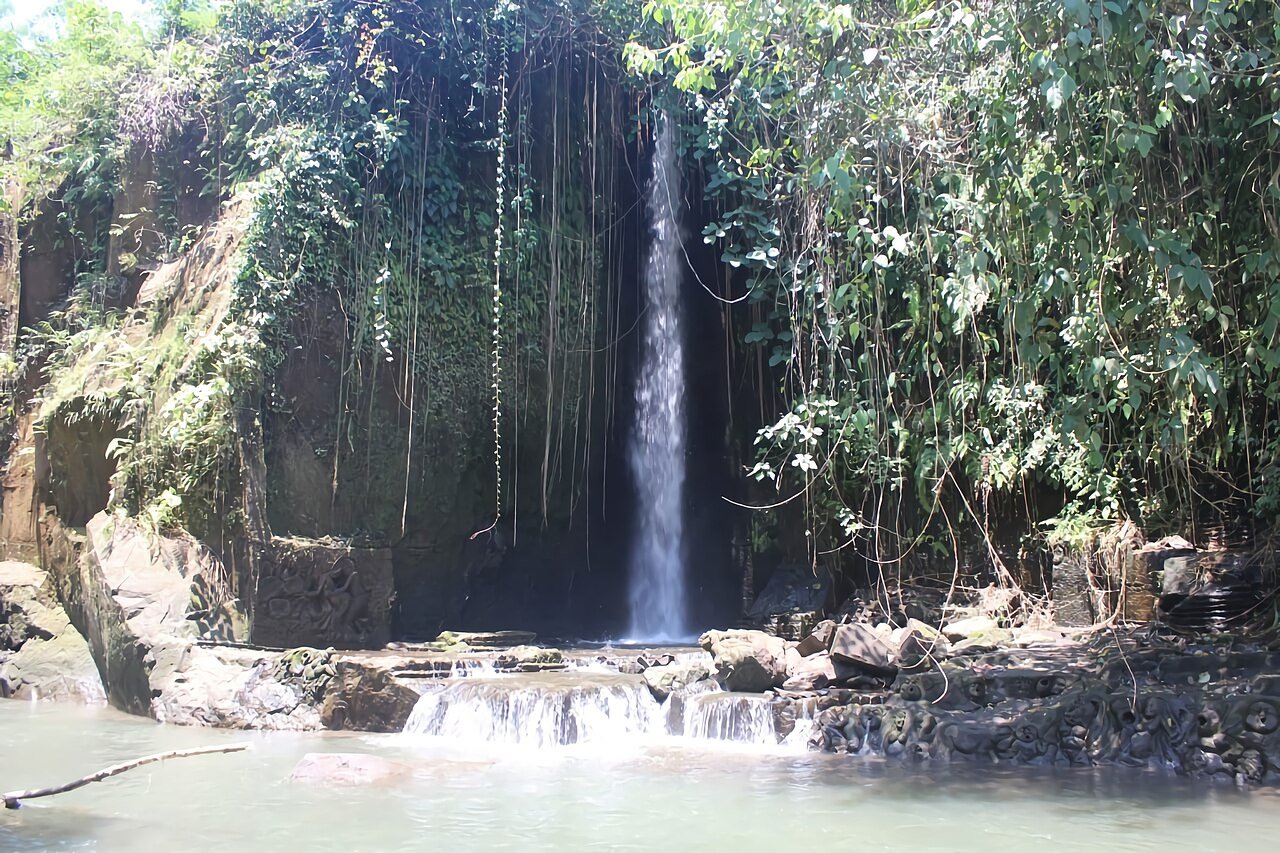
Unlike Bali’s more dramatic waterfalls, Sumampan offers a calm and intimate experience. The waterfall itself is modest in heightar ound 10 -15 meters, but its tranquil atmosphere and lush surroundings make it a favorite for those seeking a quieter, more reflective nature escape.
One of the most unique features here is the stone carvings etched into the cliffs and rock walls near the cascade. These artistic carvings depict traditional Balinese motifs, mythological figures, and spiritual symbols, all crafted by local artisans, adding a cultural layer to your visit. Travelers who enjoy combining nature with cultural heritage often pair this visit with nearby landmarks such as Ubud Palace to gain a deeper understanding of Balinese traditions.
What Makes Sumampan Waterfall Unique?
Unlike many other waterfalls in Bali, Sumampan isn’t just about the water. It is a masterpiece of local craftsmanship.
Intricate Stone Carvings

One of the most striking features of Sumampan Waterfall is the intricate stone carvings that decorate the surrounding cliff walls. As you walk down the pathway toward the waterfall, you’ll notice detailed reliefs depicting Balinese deities, guardians, and mythical creatures carved directly into the rock.
These carvings are not ancient ruins but the result of dedicated work by local artisans who wanted to elevate the natural landscape into a cultural landmark. Each figure carries a symbolic meaning rooted in Balinese Hindu beliefs, turning the canyon into an open-air art gallery where nature and spirituality coexist.
A “Secret” Atmosphere

Sumampan Waterfall still retains a peaceful, almost untouched atmosphere that is becoming increasingly rare in Bali. Because it is relatively new on the tourism map and less promoted than famous waterfalls like Tegenungan or Gitgit, visitor numbers remain low.
This creates a serene environment where you can truly slow down, listen to the sound of flowing water, and connect with nature without crowds or noise. Many travelers who book through an experienced Indonesia travel agency often seek destinations like this to experience a quieter and more authentic side of Bali.
Crystal Clear River

The waterfall is fed by the Petanu River, known for its clean and clear water flowing through dense tropical forest. At the base of the waterfall lies a natural pool with refreshingly cool water, perfect for swimming or simply soaking your feet after the walk down.
Surrounded by lush greenery and towering rock formations, the pool offers a rejuvenating escape from Bali’s heat. The clarity of the water not only adds to the beauty of the site but also reflects the well-preserved natural environment around Sumampan.
Essential Guide for Your Visit
Before visiting this hidden gem in Gianyar, it’s helpful to know a few practical details to make your trip smooth and enjoyable. This guide covers essential information such as location, entrance fee, and walking conditions, especially useful for first-time visitors.
Location
The site is located in Kemenuh Village, Gianyar Regency, approximately 20 minutes from Ubud by car or motorbike, depending on traffic conditions. Kemenuh is a peaceful rural area known for its lush rice fields, flowing rivers, and authentic Balinese atmosphere.
The route is clearly marked on Google Maps, and most roads are paved and accessible for standard vehicles. However, the final stretch may involve narrower village roads, so it is recommended to drive slowly and carefully.
Entrance Fee
The entrance fee is approximately IDR 20,000 per person. This fee typically includes a small voluntary donation used to support village maintenance, pathway upkeep, and environmental preservation.
Unlike major tourist attractions, there is no official ticket counter, as the area is managed by the local community. Visitors are encouraged to respect local guidelines and contribute responsibly to help sustain the site.
Difficulty Level
The walk to the main attraction is considered easy to moderate, making it suitable for most visitors with basic mobility. You’ll begin by walking down a set of concrete stairs, followed by a slightly rocky and uneven path as you get closer to the site.
Although the walk is relatively short, the steps can become slippery after rain. Wearing comfortable shoes with good grip is highly recommended. Visitors should take their time, especially when climbing back up the stairs.
Best Time to Visit Sumampan Waterfall
| Aspect | Details |
| Best Time of Day | 8:00 AM – 10:00 AM for a quiet atmosphere and fewer visitors |
| Lighting Conditions | Soft morning sunlight highlights the stone carvings and statues, ideal for photography |
| Dry Season | April – October: clearer water, safer paths, and better conditions for walking and exploring |
| Rainy Season | December – February: stronger water flow and dramatic scenery, but water may be silty and paths slippery |
| Best Days to Visit | Weekdays are recommended to avoid crowds |
| Photography Tip | Morning light reduces harsh shadows and enhances natural textures |
Additional Note: For travelers who want both safety and visual beauty, visiting in the morning during the dry season offers the most balanced experience. If you prefer a more dramatic waterfall and don’t mind wet conditions, the rainy season can still be rewarding with extra caution.
Travel Tips for Sumampan Waterfall
To ensure a smooth adventure, keep these tips in mind:
- Wear sturdy sandals or shoes: The path near the riverbank can be slippery, so avoid flip-flops if possible.
- Bring a sarong or a change of clothes: If you plan to swim, basic changing areas are available near the entrance.
- Respect the art: The carvings are delicate, so please admire them without climbing on the sculpted cliff faces.
- Stay hydrated: While small local stalls can be found at the top, it’s best to bring your own water for the trek down.
FAQ about Sumampan Waterfall
1. What makes Sumampan Waterfall unique compared to other waterfalls in Bali?
Sumampan Waterfall stands out for its intricate stone carvings carved directly into the surrounding cliffs. These artworks depict Balinese deities and mythological figures, blending natural beauty with local artistry and spirituality.
2. Is it safe to swim at Sumampan Waterfall?
Yes, swimming is possible in the natural pool at the base of the waterfall, especially during the dry season. However, visitors should be cautious after heavy rain, as water flow can become stronger and paths may be slippery.
3. How difficult is the walk to the waterfall?
The walk is easy to moderate. It involves descending concrete stairs followed by a short uneven path near the river. The route is manageable for most visitors, but proper footwear is recommended, especially after rain.
4. What is the best time to visit Sumampan Waterfall?
The best time to visit is between 8:00 AM and 10:00 AM. The dry season (April–October) offers clearer water and safer walking conditions.
5. Can children or elderly visitors visit Sumampan Waterfall?
Yes, but with caution. While the trail is relatively short, the stairs and uneven sections may require assistance for elderly visitors or young children, especially during wet conditions.