Bali is often celebrated for its pristine beaches, volcanic landscapes, and vibrant nightlife. However, the true heartbeat of the island lies in its deep-rooted spiritual traditions. For the Balinese people, life is a continuous cycle of rituals, prayers, and offerings designed to maintain harmony between humans, nature, and the divine.
As a traveler, witnessing or accidentally stumbling upon a local ceremony is one of the most profound cultural experiences you can have. But with these sacred rituals comes a responsibility to show respect. Navigating Balinese religious etiquette can feel daunting if you don’t know what to expect.
This comprehensive guide covers everything you need to know to observe Balinese ceremonies respectfully, ensuring you leave a positive impression on the local community.
1. Understanding the Core of Balinese Rituals
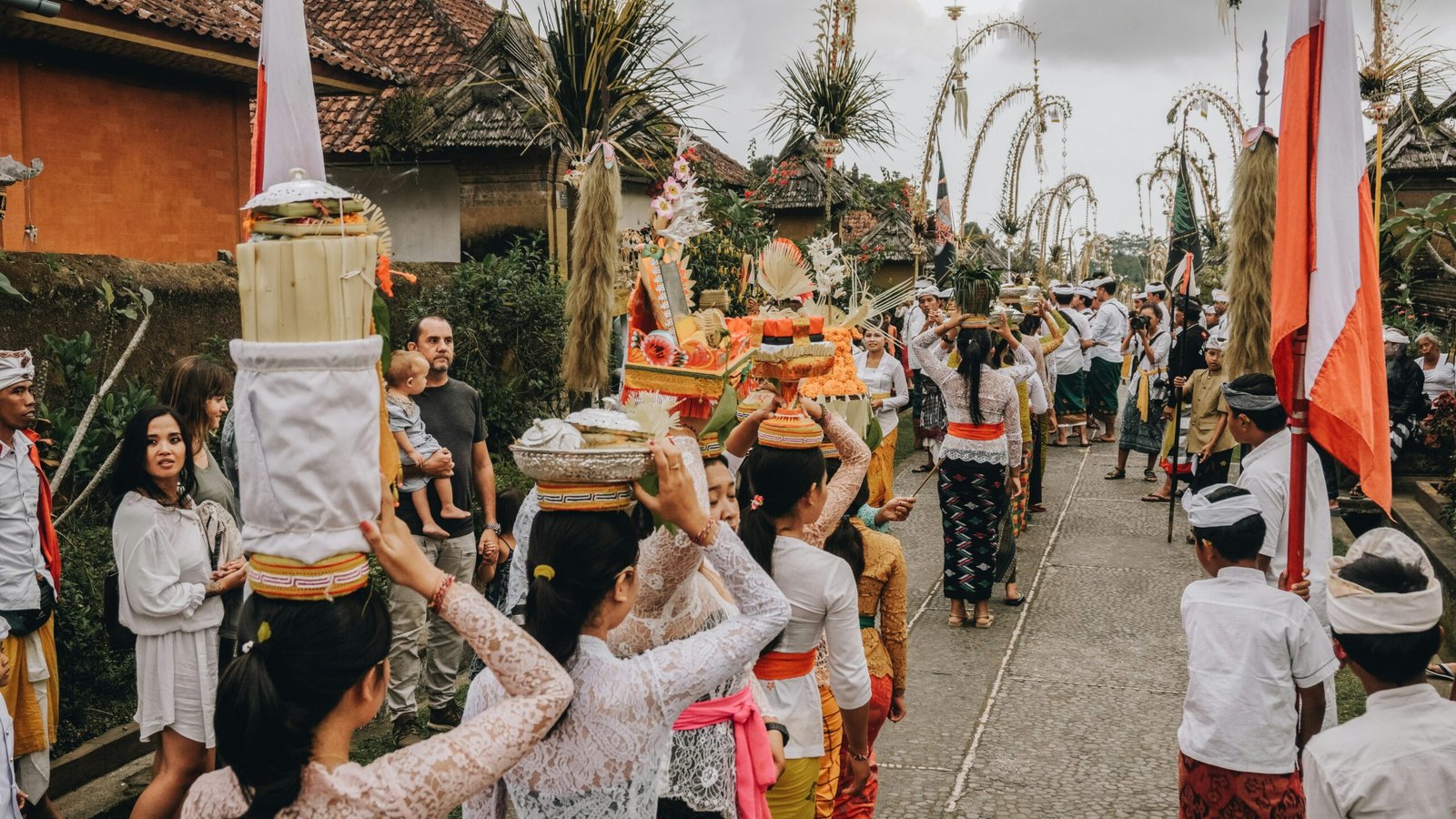
Balinese Hinduism (Agama Hindu Dharma) is unique to the island. It blends orthodox Hindu principles with ancient animist beliefs and ancestor worship. Ceremonies happen daily, ranging from small household offerings (canang sari) to massive temple festivals (odalan) and elaborate royal cremation ceremonies (ngaben).
Because spirituality is woven into the fabric of daily life, public spaces often transform into ceremonial grounds. You might find a street temporarily blocked for a procession or a beach crowded with locals dressed in traditional white attire for a cleansing ritual. Understanding that these are deeply sacred events, not tourist performances, is the first step toward being a responsible guest.
2. Essential Temple and Ceremony Dress Code
You should never enter a temple or approach a street ceremony in standard beachwear. Proper attire is the most visible sign of respect you can show to the local community.
The Standard Temple Outfit
Both men and women are required to cover their shoulders and knees. The two essential items you will need are:
- The Sarung (Saron): A large piece of cloth wrapped around your waist to cover your legs.
- The Selendang: A ceremonial sash tied around your waist over the sarung. This symbolizes the separation of your lower, more primal instincts from your upper, spiritual self.
Color and Styling Etiquette
While tourists can generally wear any respectful clothing under their sarung, opting for a modest white or light-colored shirt is highly appreciated during major festivals. If you are planning an architectural tour to admire historic structures like the majestic Taman Ayun Temple, having a lightweight sarung packed in your daypack is always a smart move, as renting one on-site is not always guaranteed.
3. Rules of Conduct: Do’s and Don’ts During a Ceremony
When you find yourself observing a ritual, your physical actions and positioning matter significantly. The Balinese place a high cultural importance on sacred spaces and physical hierarchy.
Crucial Do’s and Don’ts
| What to Do | What to Avoid |
| Keep your head lower than the priest or the offerings if you are sitting nearby. | Never stand on walls, benches, or structures to get a better photo view. |
| Walk around people praying, never walk directly in front of them. | Never step on or kick the canang sari (small palm-leaf baskets) placed on sidewalks. |
| Dress modestly even if you are just watching a procession from a café. | Do not use flash photography or point your camera directly into a priest’s face. |
The Rule of the Head and Feet
In Balinese culture, the head is considered the most sacred part of the body, while the feet are considered the lowest and least clean.
- Never touch a local person’s head, including children.
- When sitting on the floor during a ceremony, men should cross their legs (bersila), and women should tuck their legs politely to the side (mempohok).
- Avoid pointing your feet directly toward the altar, the shrines, or the priest.
4. Photography and Videography Etiquette
It is completely acceptable to capture the beauty of Balinese rituals, provided you do so discreetly.
- Maintain Distance: Use a zoom lens rather than getting right into the middle of a prayer circle.
- Ask for Permission: If you want to take a close-up portrait of someone in traditional dress, a polite smile and a nod of your camera are usually enough to gauge if they are comfortable with it.
- Be Mindful of Your Environment: If you are exploring the island’s natural landscapes on a curated Bali waterfall tour and happen to pass a village purification ritual by the riverbank, put your phone away for a moment. Enjoy the atmosphere with your eyes first before deciding if a photograph is appropriate.
5. Navigating Calendar Adjustments and Holy Days
Balinese ceremonies follow two distinct traditional calendar systems: the Saka calendar and the Pawukon calendar. This means major festivals change dates every Gregorian year.
Nyepi: The Day of Silence
The most significant event to be aware of is Nyepi, the Balinese New Year. Unlike Western celebrations, Nyepi is a day of absolute silence, fasting, and meditation.
- The entire island shuts down for 24 hours (including the international airport).
- No one is allowed on the streets except for emergency services and local neighborhood watchmen (pecalang).
- Lights must be kept to a minimum, and windows should be covered.
If you want to experience the vibrant parade of giant demon statues (ogoh-ogoh) the night before Nyepi, it is an incredible experience. However, you must be prepared to stay inside your hotel or villa for the duration of the silent day itself. Checking the local lunar calendar is essential when trying to determine the best time to visit Indonesia if you want to either participate in or completely avoid these island-wide shutdowns.
FAQ
Q: Can non-Hindus enter Balinese temples during a ceremony?
A: Yes, non-Hindus are generally welcome to enter the outer courtyards of most temples during public festivals, provided they are wearing proper traditional attire (sarung and sash). However, the innermost courtyard (jeroan) is strictly reserved for those who are actively praying and presenting offerings. Always look for signage or ask a local helper (pecalang) at the gate if you are unsure where you are allowed to walk.
Q: What should I do if I accidentally step on an offering on the street?
A: Don’t panic. The Balinese are highly practical and understand that accidents happen, especially on crowded sidewalks. The spiritual essence of the canang sari is believed to rise to the gods shortly after it is placed and blessed in the morning. If you accidentally step on one, simply whisper a quick, quiet apology under your breath and keep moving. Avoid doing it intentionally or carelessly.
Q: Are there any biological restrictions for entering sacred spaces?
A: Yes. According to traditional Balinese customs, anyone with an open, bleeding wound or women who are currently menstruating are kindly asked to refrain from entering temple grounds. This is rooted in ancient concepts of spiritual purity (sebel) rather than malice or discrimination. If you fall into this category, you can still respectfully enjoy the outdoor processions and street architecture from just outside the temple gates.