Bali has a way of overwhelming first-time visitors, not because it’s chaotic, but because it’s impossibly layered. You can spend a morning wading through rice paddy terraces, an afternoon surrounded by century-old stone carvings, and an evening watching sacred dance under the stars.
But when it comes to planning your itinerary, one question keeps coming up: should you prioritize garden experiences, or dive headfirst into Bali’s temple culture? This isn’t a competition with a clear winner. It depends entirely on what you’re hoping to take away from your trip. Let’s break it down honestly.
What Bali’s Garden Tours Actually Offer
When people talk about “garden tours” in Bali, they usually mean one of two things: the sculpted water gardens of the royal era, or the immersive botanical landscapes scattered across Ubud and its surrounds.
The Aesthetic Appeal of Water Gardens
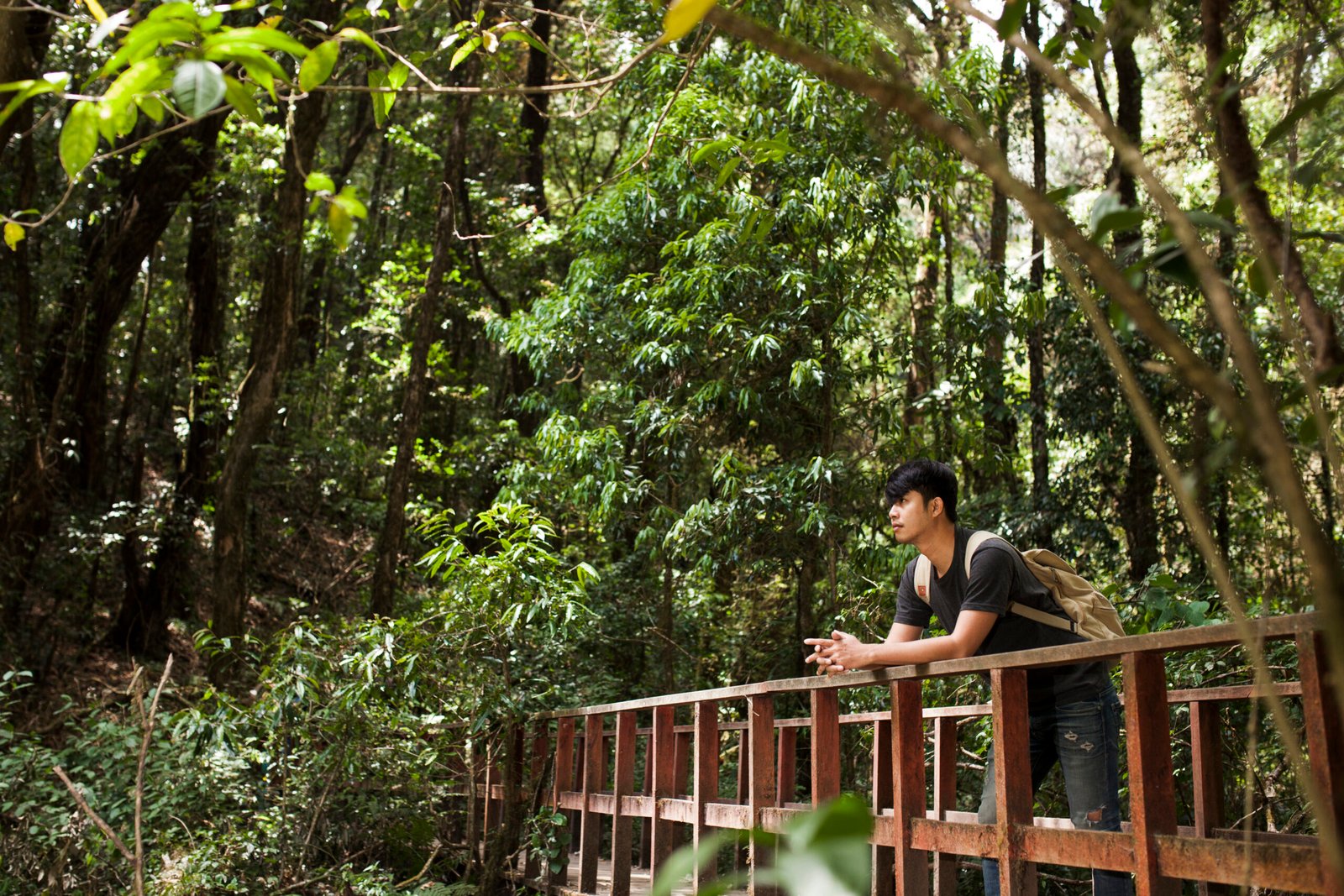
Bali’s water gardens, like the famed Tirta Gangga in East Bali or the lesser-visited grounds near Mengwi blend architectural elegance with natural serenity. Tiered fountains, lotus ponds, and ornamental fish create an environment that feels designed as much for the soul as for the eye.
These spaces were historically tied to Balinese royalty, built as retreats where physical beauty and spiritual harmony were considered inseparable. For photography enthusiasts, garden settings offer softer lighting opportunities, more predictable framing, and fewer crowds early in the morning.
What You Might Miss Without Context
Here’s the nuance: Bali’s gardens rarely stand alone as purely decorative spaces. Many were designed as extensions of sacred sites, meaning that what appears to be a serene public park is often a carefully constructed spiritual landscape shaped by symbolism and ritual.
Without understanding this cultural context, visitors may miss the deeper meaning embedded in the layout and design. While guided garden tours can provide valuable insight, a standalone visit may lack the narrative depth that truly reveals what makes Bali distinctive.
What Temple Tours Bring to the Table
Temple touring in Bali is almost a rite of passage and for good reason. The island has over 20,000 temples (pura), and while you obviously can’t visit them all, even a handful of well-chosen ones can fundamentally shift how you understand Balinese life.
Layers of Meaning You Won’t Find Elsewhere
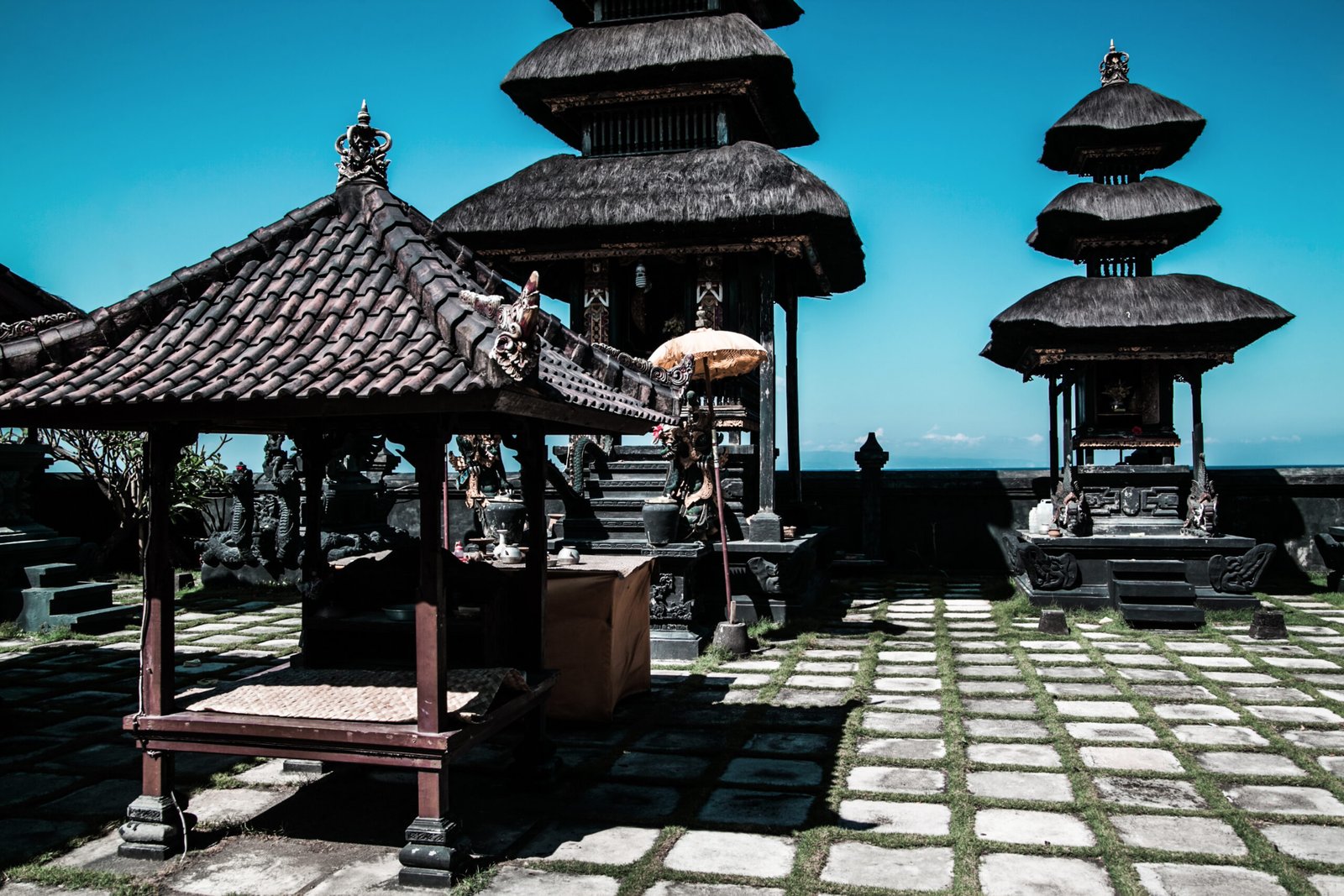
Balinese Hinduism is practiced differently from its Indian counterpart. Temples here function as living spaces communities gather for ceremonies, offerings are laid fresh every day, and the relationship between the physical structure and the invisible world is taken seriously and practically.
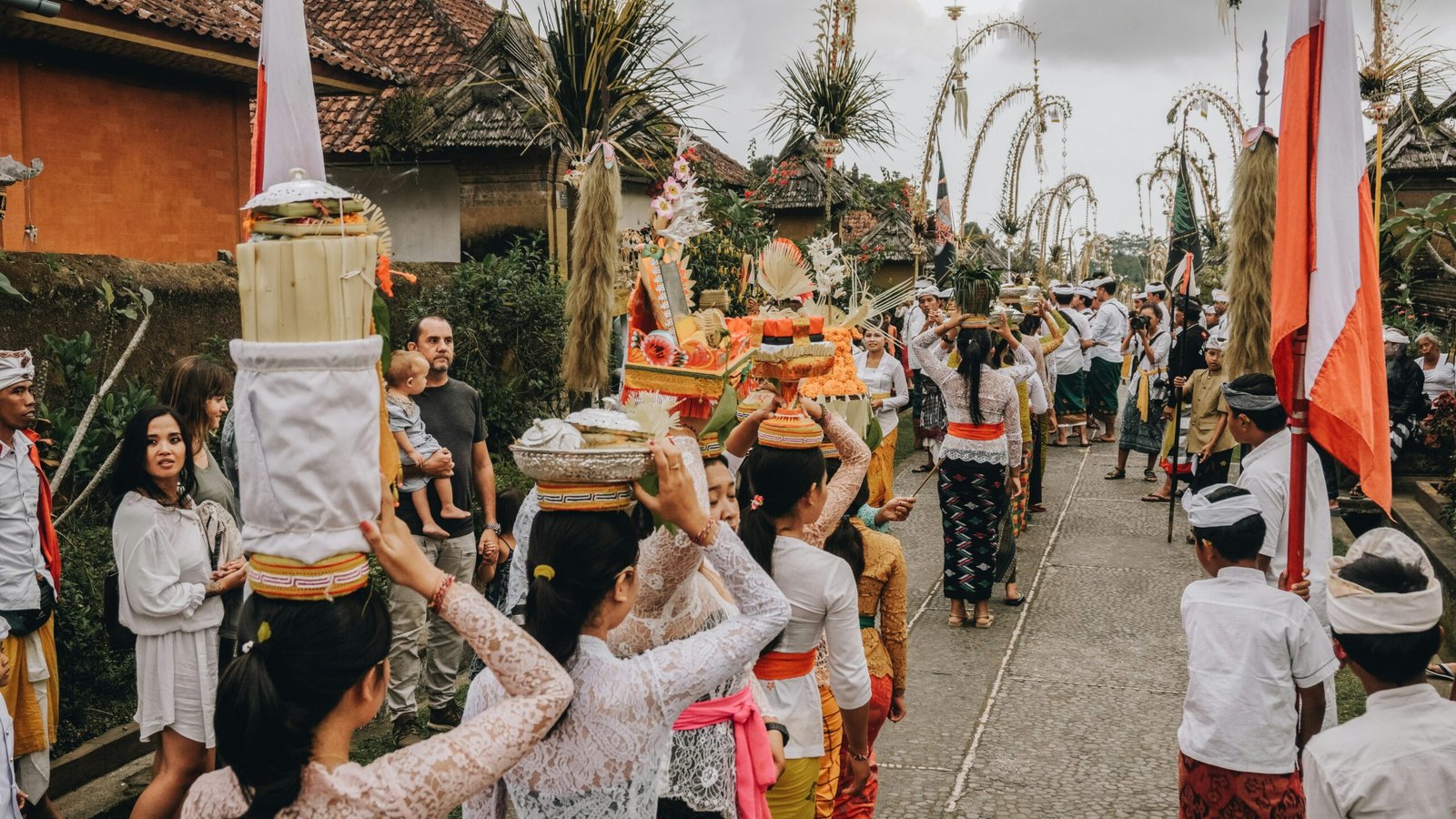
Visiting a temple during a ceremony is a completely different experience from visiting one on a quiet afternoon. The smell of incense, the sound of gamelan percussion, the sight of families in traditional dress these details don’t show up in guidebooks the same way they do in person.
If you’re visiting during a wedding season, you might even catch glimpses of a traditional Balinese wedding taking place near a temple complex, which adds yet another dimension to how temple spaces are used in daily life.
Which Temples Are Worth Prioritizing?
Tanah Lot is probably the most photographed, perched dramatically on a coastal rock formation. Besakih, on the slopes of Mount Agung, is the largest and considered the mother temple of Bali. For those in the Ubud area, the Ubud Palace, also known as Puri Saren Agung, isn’t strictly a temple, but it’s an important royal site where ceremonial life still unfolds regularly and where evening dance performances are held.
For something less touristed but architecturally rich, Taman Ayun Temple in Mengwi deserves a spot on any serious itinerary. Built in the 17th century as the state temple of the former Mengwi Kingdom, it sits within a moat-surrounded garden complex that effectively blurs the line between temple tour and garden tour, making it an ideal stop for visitors who want both in one visit.
Garden vs Temple: A Side-by-Side Comparison
| Factor | Garden Tours | Temple Tours |
| Best For | Relaxation, photography, romance | Cultural depth, spiritual experience |
| Dress Code | Casual (usually) | A sarong is required at most temples |
| Time Needed | 1–2 hours per site | 2–4 hours per site for meaningful visits |
| Crowd Levels | Generally quieter | Busy at popular sites; varies by time |
| Best Time to Visit | Early morning | Ceremony days for atmosphere; early mornings for quiet |
| Cost | Entry fees vary; lower on average | Some major temples charge a higher entry |
| Cultural Context | Low to moderate | Moderate to high |
When the Line Blurs: Sites That Are Both
One of the most interesting things about Bali’s heritage landscape is how frequently the sacred and the beautiful overlap. The Balinese worldview doesn’t draw a hard line between a garden and a temple; both are spaces where the divine can be encountered, honored, and made tangible.
Taman Ayun is perhaps the clearest example of this. The name itself translates roughly to “Beautiful Garden,” yet it functions as a fully active Hindu temple. Surrounding the main compound is a wide moat and a carefully tended outer garden.
UNESCO has recognized the surrounding subak irrigation landscape as a World Heritage Site, acknowledging how deeply entwined Balinese spiritual geography is with the physical land.
Visitors who approach it expecting only a garden walk away, feeling something more. And those who come expecting only a temple often linger far longer than planned.
How to Decide What’s Right for Your Trip
Here’s a practical framework:
Garden-focused tours are best for:
- You’re on a wellness or honeymoon trip and want a slower pace
- Photography is a primary goal and you want controlled, beautiful environments
- You have limited time and want something visually impactful without extensive walking
- You’re traveling with young children who may struggle with longer temple circuits
Choose temple-focused tours if:
- You want to understand Balinese culture beyond the surface
- You’re interested in history, architecture, or comparative religion
- You’re visiting during a major Hindu festival and want to witness ceremonies
- You plan to return to Bali again — temples reward multiple visits as your understanding deepens
Combine both options if:
- You have at least 5–7 days in Bali
- You’re based in or near Ubud, where both types of sites cluster naturally
- You want a mix of contemplative and culturally immersive experiences
- You’re visiting a hybrid site like Taman Ayun, which covers both in a single stop
Practical Tips Before You Go
- Combine your temple and garden visits geographically rather than thematically to save travel time
- Always carry a sarong or wear a long skirt/pants when planning temple visits, many sites won’t allow entry otherwise, though some provide sarongs at the gate for a small fee
- Early morning visits (before 9 AM) dramatically reduce crowds and improve lighting for photography at both garden and temple sites
- Hiring a local guide, even for half a day, transforms either type of tour; context changes everything in Bali
FAQ
Is there a big difference between visiting a garden and visiting a temple in Bali?
Yes and no. Many of Bali’s most beautiful garden spaces are attached to or were built around sacred temple sites, so the two often overlap. That said, the experience differs; gardens tend to emphasize aesthetic beauty and calm, while temples offer cultural, historical, and sometimes spiritual depth. Some sites, like Taman Ayun, genuinely offer both.
Do I need to dress a certain way for garden tours in Bali?
Dress codes are generally more relaxed at garden attractions compared to temples, but it’s always a good idea to dress modestly in Bali, regardless. When in doubt, carry a lightweight sarong; it’s useful everywhere.