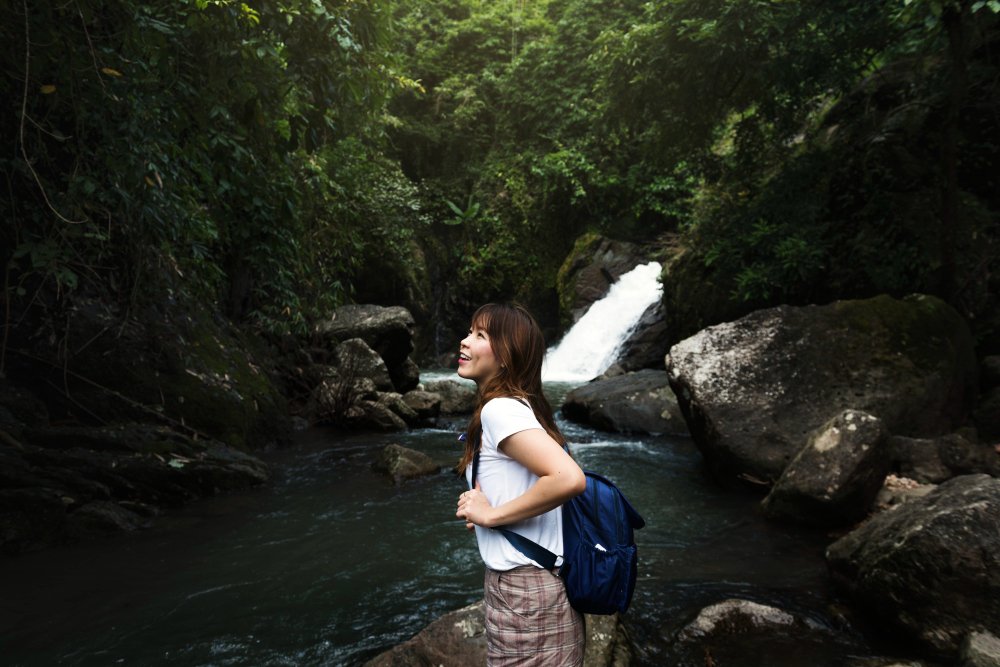
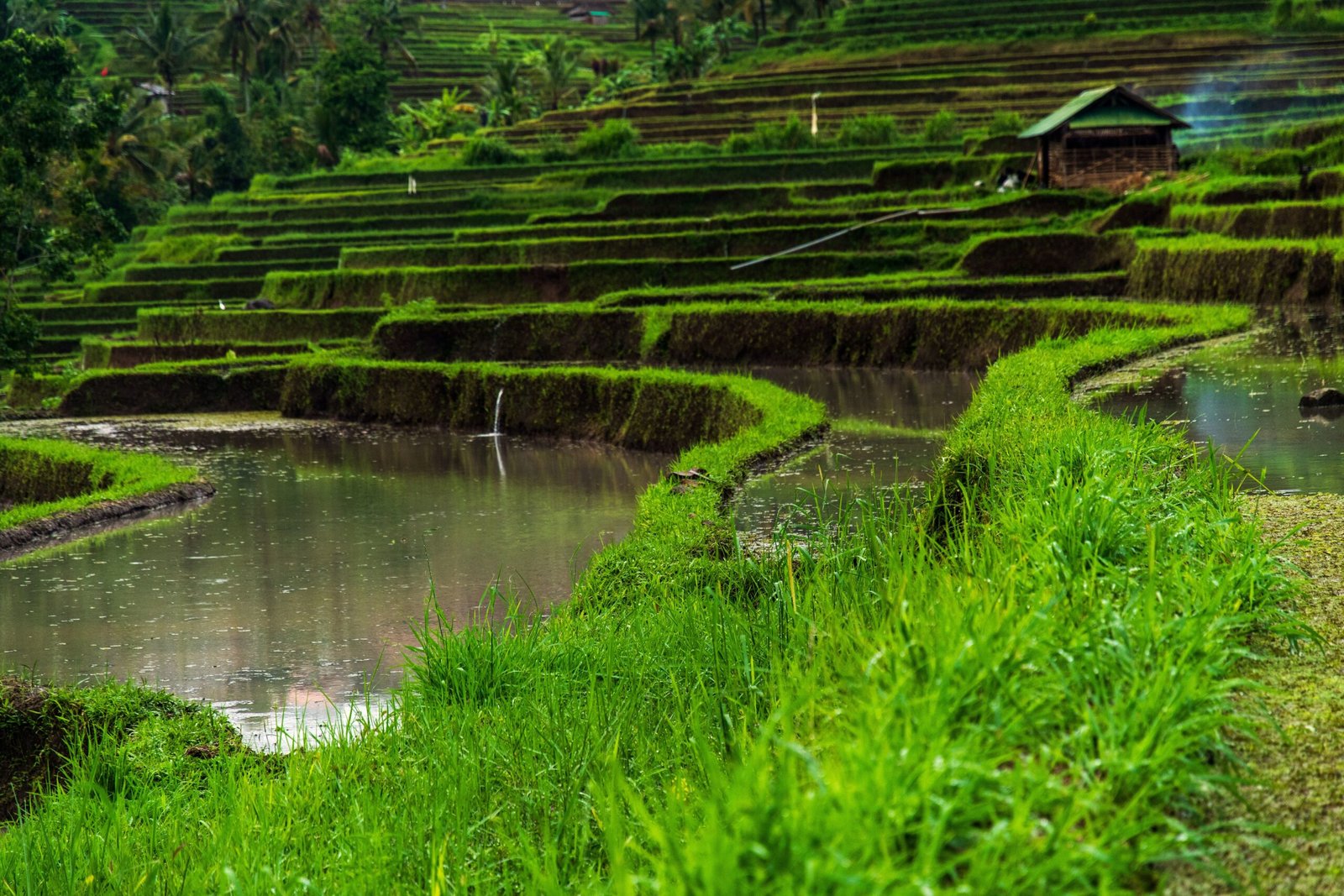
Belimbing Rice Terrace is one of Bali’s most serene and picturesque landscapes, located in Belimbing Village, Pupuan District, Tabanan Regency, on the western side of the island. Surrounded by rolling hills and cool highland air, this area offers sweeping views of layered rice fields that reflect Bali’s strong agricultural traditions.
Unlike the more touristy rice terraces near Ubud, Belimbing Rice Terrace remains relatively untouched by mass tourism. The calm atmosphere, traditional farming activities, and rural setting make it an ideal destination for travelers seeking an authentic experience of Balinese nature and local life.
Why Visit Belimbing Rice Terrace?
Nestled about 600 meters above sea level, Belimbing Rice Terrace is celebrated for its lush green rice paddies layered across rolling hillsides with the majestic Mount Batukaru as a dramatic backdrop. The cool climate, fresh air, and slower pace make this destination a tranquil escape from Bali’s busier hotspots.
Here’s what makes it special:
- Scenic Landscape: Vast, tiered rice paddies creating a tapestry of green that photographers and nature lovers adore.
- Cultural Experience: A chance to witness traditional Balinese farming and irrigation systems up close.
- Peaceful Atmosphere: Far fewer crowds compared with other terrace sites like Tegallalang, giving visitors a more authentic countryside vibe.
- Nearby Villages and Forests: Explore local villages, traditional temples, and even forested areas where monkeys roam freely.
If you want to explore more Bali attractions in one trip, consider booking through a trusted Indonesia tour operator to plan a complete Bali itinerary with ease.
Where Is Belimbing Rice Terrace?
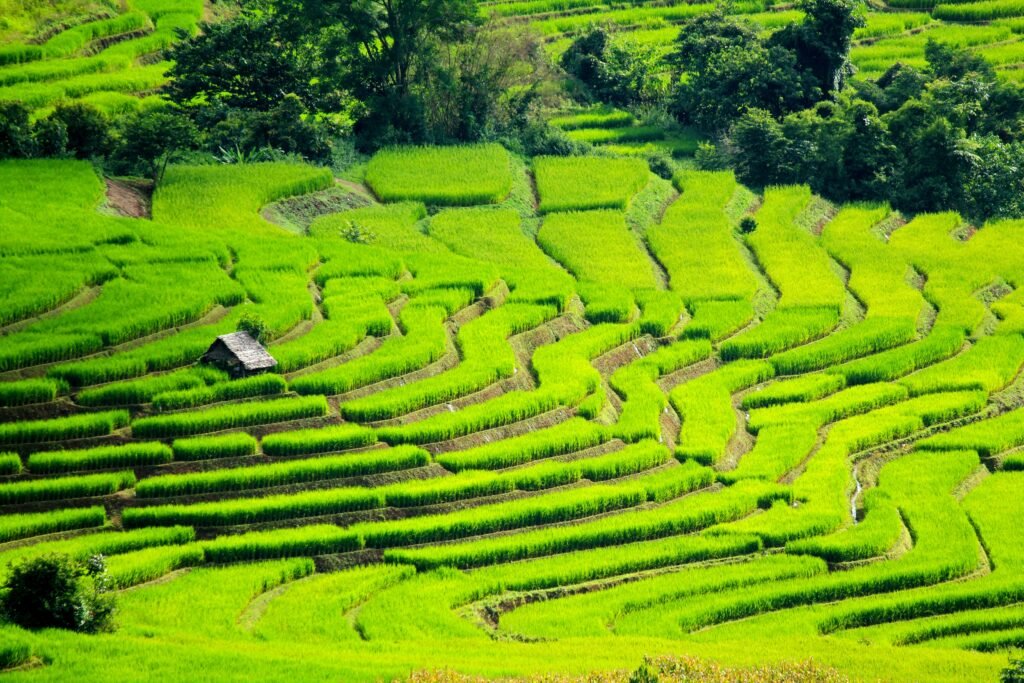
Belimbing Rice Terrace is located in Belimbing Village, Pupuan District, Tabanan Regency, on the western side of Bali. This area is known for its beautifully layered rice fields set against rolling hills and a cooler highland climate, offering a strong connection to Bali’s traditional agricultural landscape.
Unlike the more crowded rice terraces near Ubud, Belimbing offers a quieter and more rural atmosphere, making it ideal for travelers seeking a peaceful escape. The rice fields are maintained through the ancient Subak irrigation system, a UNESCO-recognized heritage that reflects the Balinese philosophy of harmony between humans, nature, and spirituality.
📍 Location Highlights:
- Situated in the highlands of Pupuan, Tabanan (West Bali)
- Around 2–3 hours by car from Ubud
- Surrounded by traditional villages, temples, palm trees, and farms
- Less commercialized and quieter than popular rice terraces
- Ideal for travelers seeking authentic rural Bali
Belimbing Rice Terrace sits at a slightly higher elevation, which means visitors can enjoy cooler air and wide panoramic views of the surrounding valleys and rice paddies.
How to Get There
Belimbing Rice Terrace is located in Belimbing Village, Pupuan District, Tabanan Regency, in West Bali, and can be accessed from various popular tourist areas across the island. Travel time may vary depending on traffic conditions and departure point.
How to Get to Belimbing Rice Terrace (From Popular Areas in Bali)
| Starting Area | Estimated Travel Time | Best Transportation Option | Notes |
| Ubud | 2–2.5 hours | Private Car / Driver | Mountain roads; best to start early to avoid traffic. |
| Sanur | 2.5–3 hours | Private Car / Driver | The route passes through Denpasar and Tabanan. |
| Kuta | 3–3.5 hours | Private Car / Driver | Long journey; avoid peak traffic hours. |
| Seminyak | 3–3.5 hours | Private Car / Driver | Comfortable option for long-distance travel. |
| Canggu | 3.5–4 hours | Private Car / Driver | Traffic-prone area; early departure is highly recommended. |
| Nusa Dua | 3–3.5 hours | Private Car / Driver | Best combined with a West Bali itinerary. |
| Uluwatu | 4–4.5 hours | Private Car / Driver | Longest route; not ideal as a short day trip. |
| Lovina | 2.5–3 hours | Private Car | Scenic mountain drive; winding roads. |
| Amed | 4–4.5 hours | Private Car | Long and winding route; allow extra travel time. |
For a stress-free travel plan, you can also check Bali travel packages or a holiday travel plan that includes Belimbing Rice Terrace.
Best Time to Visit Belimbing Rice Terrace
Visiting at the right time will help you enjoy the scenery, avoid crowds, and get better photos.
Best Season
- Dry Season (April – October): The best time to visit. Clear weather, dry walking paths, and good visibility across the rice terraces.
- Wet Season (November – March): Rice fields look greener and more lush, but paths can be muddy and rain may affect visibility.
Best Time of Day
- Early Morning (7:00 – 9:00 AM): Cool air, fewer visitors, and soft natural light—ideal for walking and photography.
- Late Afternoon (3:00 – 5:30 PM): Warm golden light and dramatic views, perfect for sunset photos.
Time to Avoid
- Midday (11:00 AM – 2:00 PM): Hot temperatures and harsh sunlight make walking uncomfortable and photos less appealing.
To maximize your trip, you can check the best time to visit Indonesia, especially if you plan to include other destinations beyond Bali.
What to Expect
Scenic Rice Terraces
Belimbing Rice Terrace features neatly layered rice paddies that follow the natural contours of the hills. The landscape changes throughout the year, from vibrant green fields during the growing season to golden hues before harvest, creating a peaceful rural atmosphere away from Bali’s busy tourist areas.
Photography Spots
Along the walking paths, there are several natural viewpoints overlooking the terraces. These spots are ideal for landscape photography, featuring palm trees, rice fields, and rolling valleys that create a classic Balinese backdrop. Early morning and late afternoon offer the best light for soft, natural tones.
Local Cafes & Stalls
Near the entrance and along the main paths, small local warungs and coffee stalls offer simple drinks and light snacks. It’s a pleasant spot to rest, enjoy the fresh air, and support the local community after exploring the terraces.
Short Trails
The walking trails are relatively short and suitable for casual visitors. However, some sections feature steps, narrow paths, and uneven ground. As the paths can become slippery after rain, wearing comfortable shoes with good grip is recommended.
Entrance Fee & Costs
- Entrance Fee: No official ticket; small local contribution of around IDR 10,000–20,000 per person.
- Purpose of the Fee: Used for trail maintenance, cleanliness, and supporting local farmers.
- Parking Fee: Scooter parking usually costs around IDR 5,000–10,000.
- Guide Fee (Optional): Local guides are available for visitors who want cultural and agricultural insights; fees vary.
- Extra Costs: Drinks and snacks at nearby warungs; cash payment only is recommended.
Nearby Attractions
While exploring Belimbing Rice Terrace, you can easily add several nearby attractions to enrich your itinerary:
Tegalalang Rice Terrace
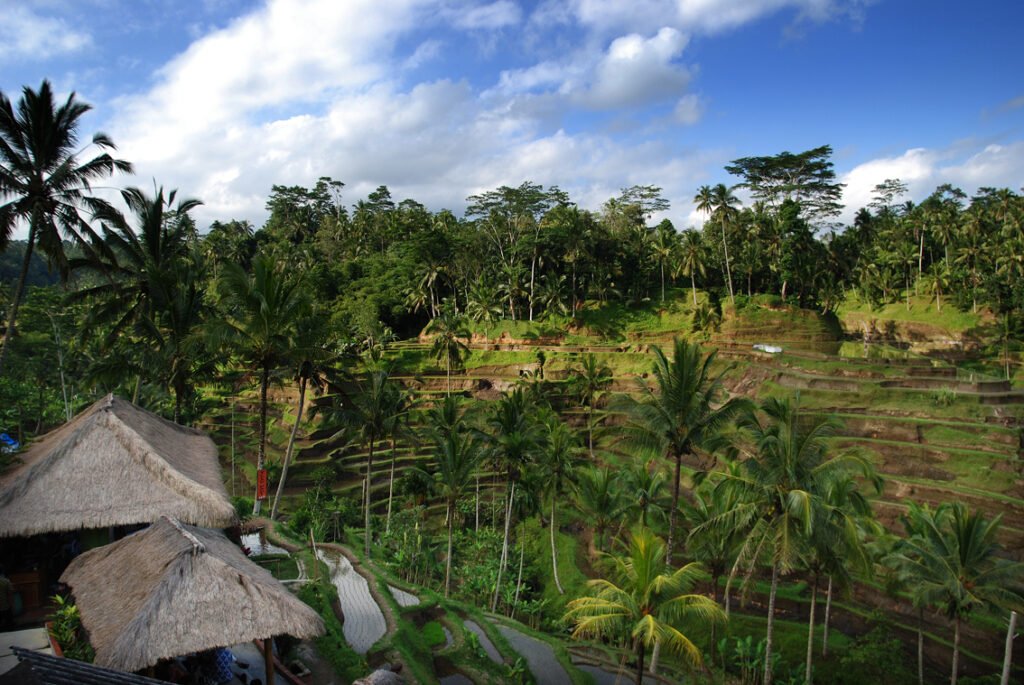
Located just a short drive away, Tegalalang Rice Terrace is one of Bali’s most iconic rice field landscapes. It features dramatic layered paddies, well-maintained walking paths, and popular swing spots overlooking the valley. The area is more developed and lively, making it a perfect contrast to the quieter atmosphere of Belimbing.
Ubud Art & Craft Market
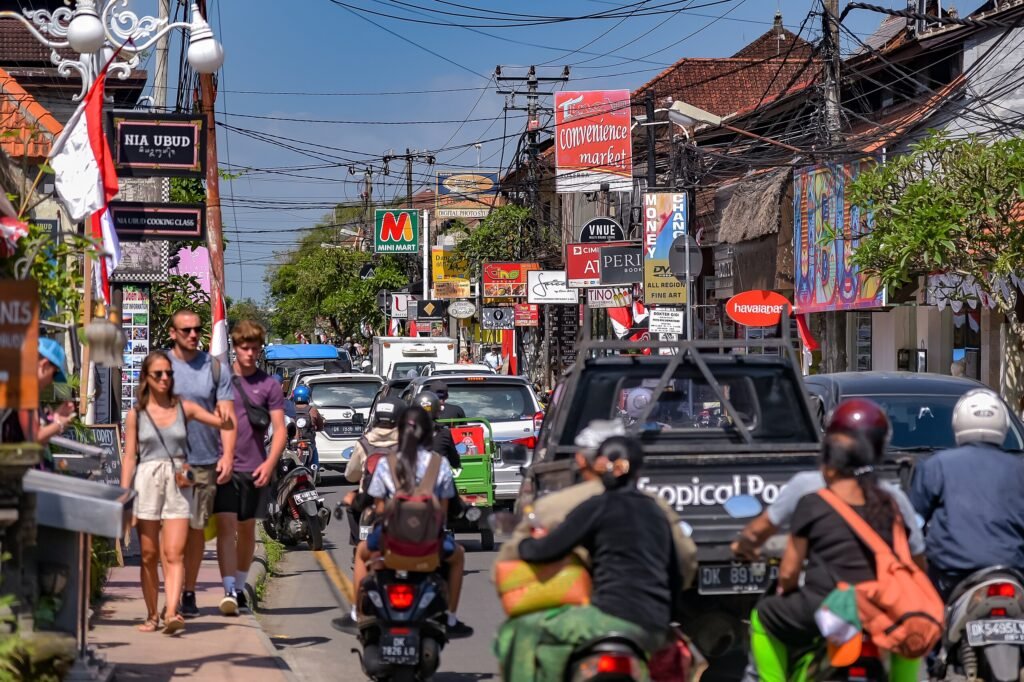
Located around 30–40 minutes from Belimbing, the Ubud Art & Craft Market is one of the best places to find traditional Balinese souvenirs. Visitors can browse handmade bags, wood carvings, silver jewelry, paintings, and textiles. It’s an ideal stop for travelers who want to take home authentic local crafts while experiencing Ubud’s vibrant cultural atmosphere.
Pura Dalem Agung
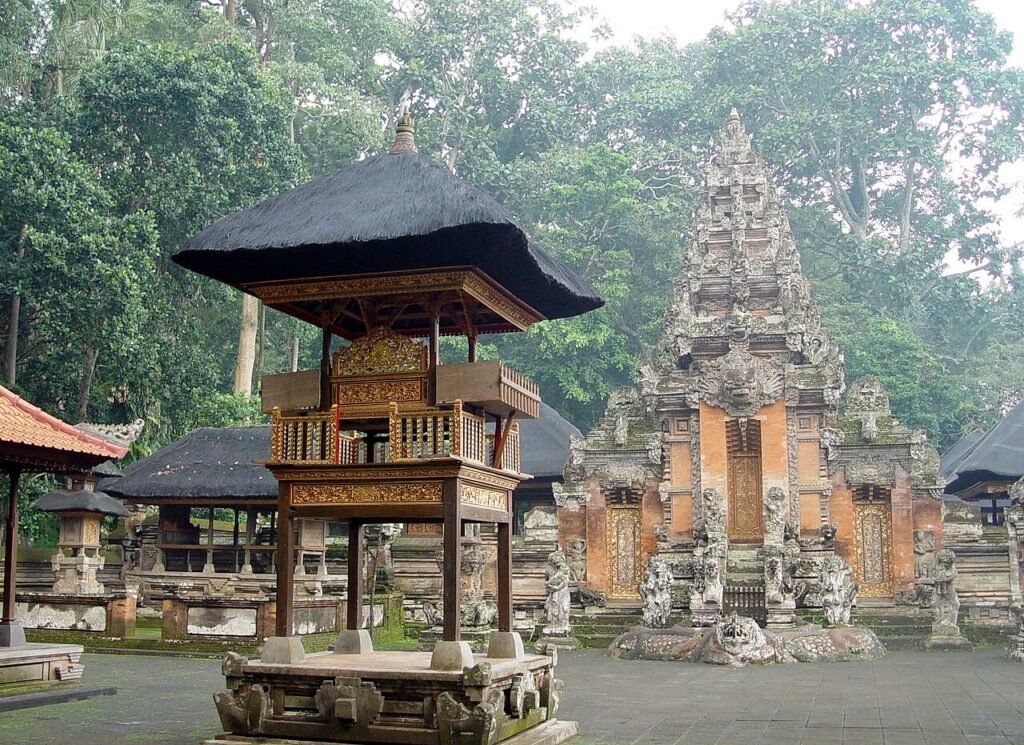
Pura Dalem Agung is a traditional Balinese temple located in the Tegalalang area. Surrounded by lush greenery and local villages, the temple offers a peaceful spiritual atmosphere and insight into daily Balinese religious life. Visitors are welcome, provided they dress modestly and respect local temple customs.
Coffee Plantations

Several coffee plantations near Tegalalang and Ubud offer short guided tours where visitors can learn about Bali’s coffee-making process. Visitors can sample a variety of local coffees and teas, including the famous kopi luwak, while enjoying scenic views of the surrounding plantations and rice fields.
Travel Tips
- Wear comfortable shoes — the terrain can be uneven and muddy
- Bring water and sunscreen — the Bali sun can be strong
- Respect local farms — stay on the paths and avoid stepping into the rice fields
- Bring cash — small stalls and entrance contributions may not accept cards
- Go early — beat the crowds and capture the best light for photos
FAQ about Belimbing Rice Terrace Bali
1. What should I wear?
Wear comfortable shoes suitable for walking on uneven paths. Avoid sandals if possible, especially during the wet season, because the trails can be muddy and slippery.
2. Are there facilities available?
Facilities are limited, but you can usually find small warungs (food stalls), coffee shops near the entrance, and basic parking for scooters and cars.
3. Can I take photos there?
Yes, it’s a great spot for photos. Just remember to respect local farmers and stay on the paths to avoid damaging crops.
4. What other attractions are nearby?
Nearby attractions include Tegalalang Rice Terrace, Ubud Art Market, coffee plantations, and traditional Balinese temples.
5. Is it suitable for families?
Yes, but the terrain can be uneven. It’s best to wear sturdy shoes and supervise children closely.