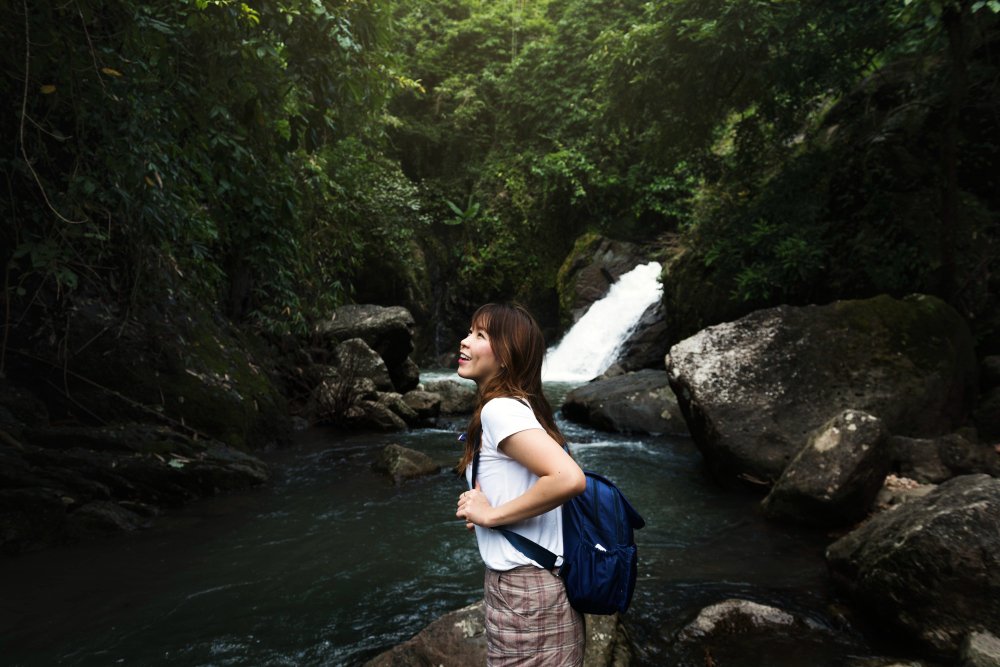
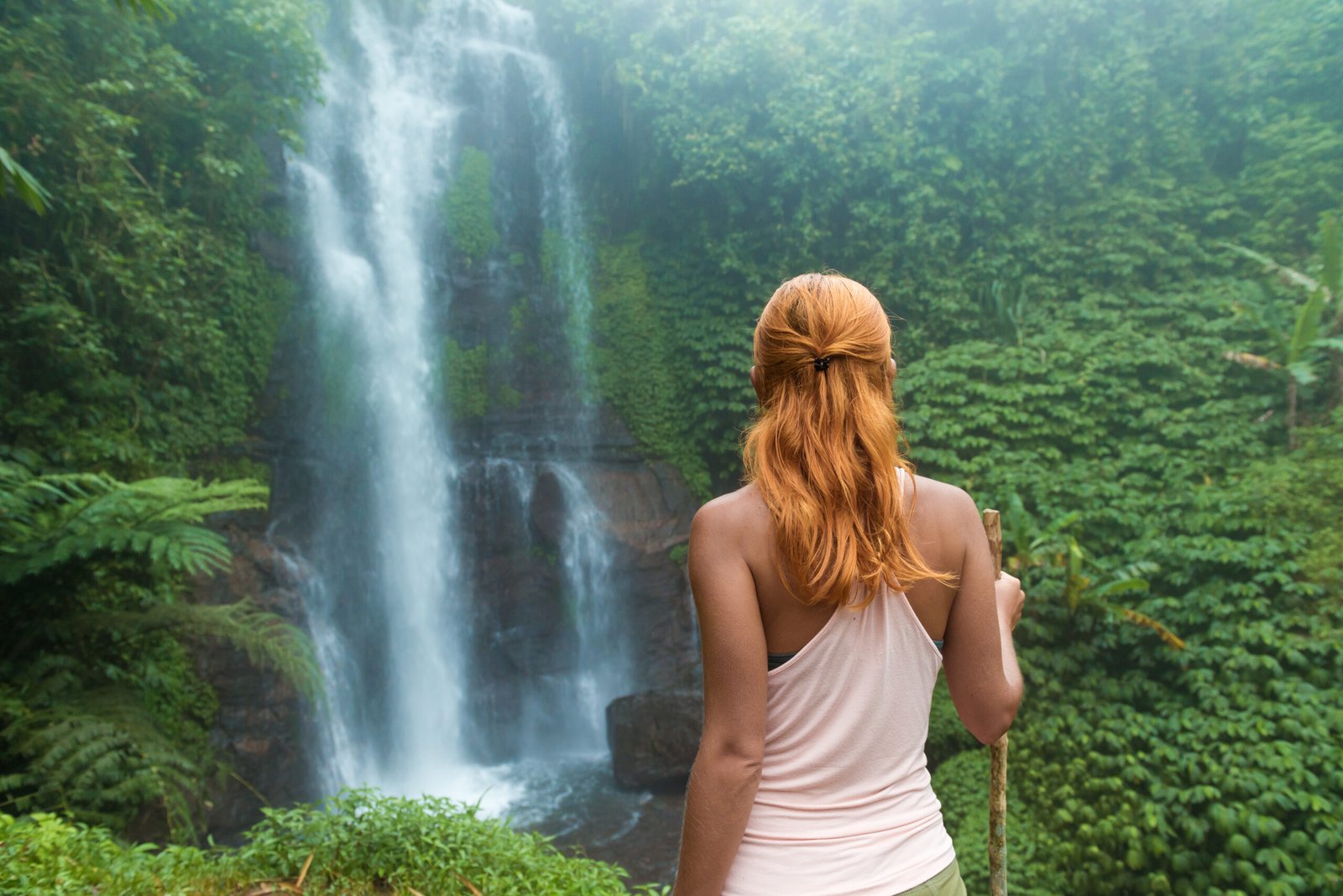
There’s a particular kind of quiet you find at the base of a Balinese waterfall. The kind that makes you forget you’re on one of the most visited islands in the world. It’s the sound of water crashing against mossy rock, the cool mist settling on your skin, and the faint smell of jungle air after rain. For many travelers, this is the Bali they came looking for.
But finding it takes a bit of planning. Bali has dozens of waterfalls scattered across its volcanic interior, from easily accessible roadside cascades to remote multi-tier falls that require a full-day trek. If this is your first time chasing them, knowing where to start and what to expect makes all the difference between a memorable adventure and a frustrating detour.
This guide is written for the first-timer: practical, honest, and free of hype. We’ll walk you through the key waterfalls worth visiting, how to prepare, when to go, and how to make the most of your time without ticking boxes on a rushed itinerary.
Why Bali’s Waterfalls Deserve More Than a Quick Visit
Most visitors slot a waterfall into their Bali schedule as an afterthought, a quick stop between the rice terraces and the temple. That’s a missed opportunity. Bali’s waterfalls sit within some of the island’s most intact forest ecosystems, and many are considered sacred sites by local communities.
The hike down and back up is often as rewarding as the destination itself. Narrow paths wind through bamboo groves and river gorges, past farmers and fruit sellers who’ve walked the same routes for generations. This isn’t just waterfall tourism; it’s a window into Bali’s interior, which most package itineraries completely overlook.
💡 Pro Tip: If you have more than a day to dedicate to nature experiences, consider pairing a waterfall day with a cultural evening. Some operators include options like a Bali night safari package alongside their nature tours, which makes for a well-rounded day without extra logistics.
A Practical Comparison: Bali’s Most Visited Waterfalls
Not all waterfalls are created equal. Some require athletic stamina and a tolerance for steep, uneven terrain. Others are a five-minute stroll from the car park. Here’s an honest comparison to help you choose based on your fitness level and available time.
| Waterfall | Region | Difficulty | Height | Best Season |
| Sekumpul | North Bali | Moderate | ~80m | Dry season |
| Nungnung | Central Bali | Moderate | ~50m | Dry season |
| Tegenungan | Ubud area | Easy | ~15m | Rainy season |
| Gitgit | North Bali | Easy–Mod. | ~40m | Year-round |
| Sumampan | Ubud area | Easy | ~10m | Year-round |
| Kanto Lampo | Gianyar | Easy | ~5m (tiered) | Rainy season |
Note: Heights and difficulty ratings are approximate. Trail conditions vary seasonally.
The Waterfalls Worth Building a Day Around
Sekumpul: The One That Sets the Standard
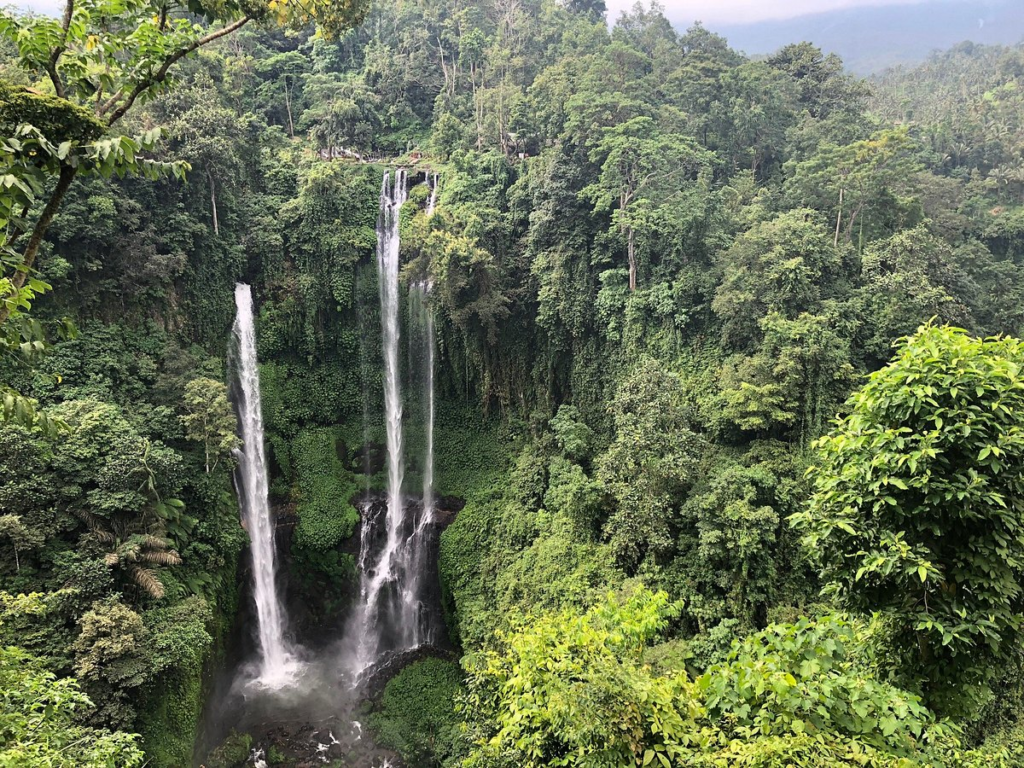
If you can only visit one waterfall during your time in Bali, many experienced travelers would argue it should be Sekumpul. Located in the highlands of North Bali, this isn’t a single waterfall but a cluster of seven cascades spread across a narrow river valley. The hike down is steep and takes around 45 minutes each way, but the sight waiting at the bottom is unlike anything in the south.
Plan a full morning here, bring decent footwear, and hire a local guide from the village at the top. The paths aren’t always well-marked, and the terrain becomes genuinely slippery after rain. The entrance fee goes directly to the local community, which helps keep the site well-maintained and relatively unspoiled.
Tegenungan: The Accessible Classic
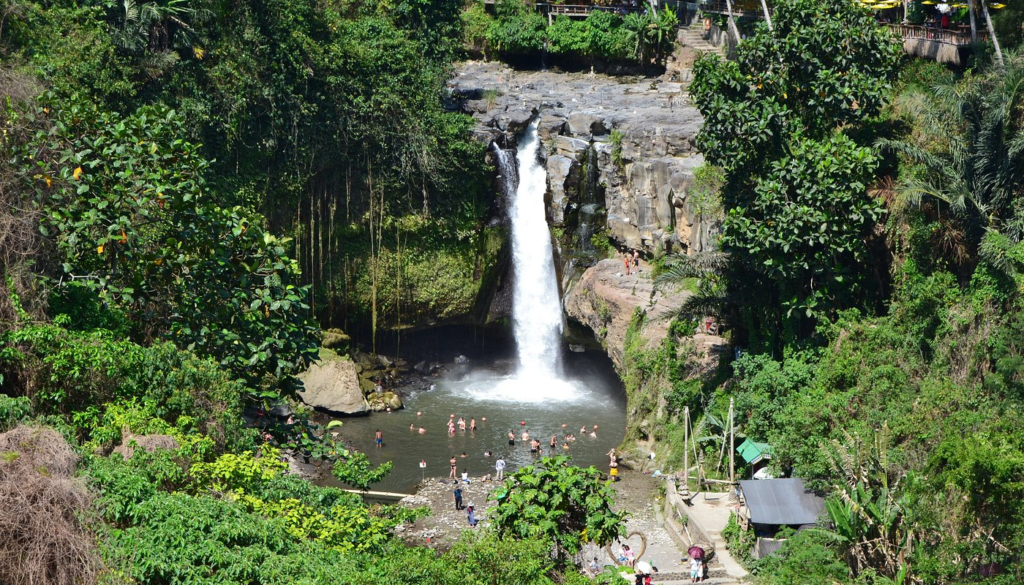
Tegenungan is probably the most photographed waterfall on the island, and for good reason, it’s wide, powerful, and only a 30-minute drive from Ubud. The access path is paved, the viewing area is spacious, and you can wade into the pool at the base.
The trade-off is crowds. By mid-morning, the area can feel genuinely packed, especially on weekends. Arrive before 8 AM if you want the place close to yourself, or visit late afternoon when the light softens, and most tour groups have moved on.
Nungnung: For Those Who Want the Effort to Mean Something
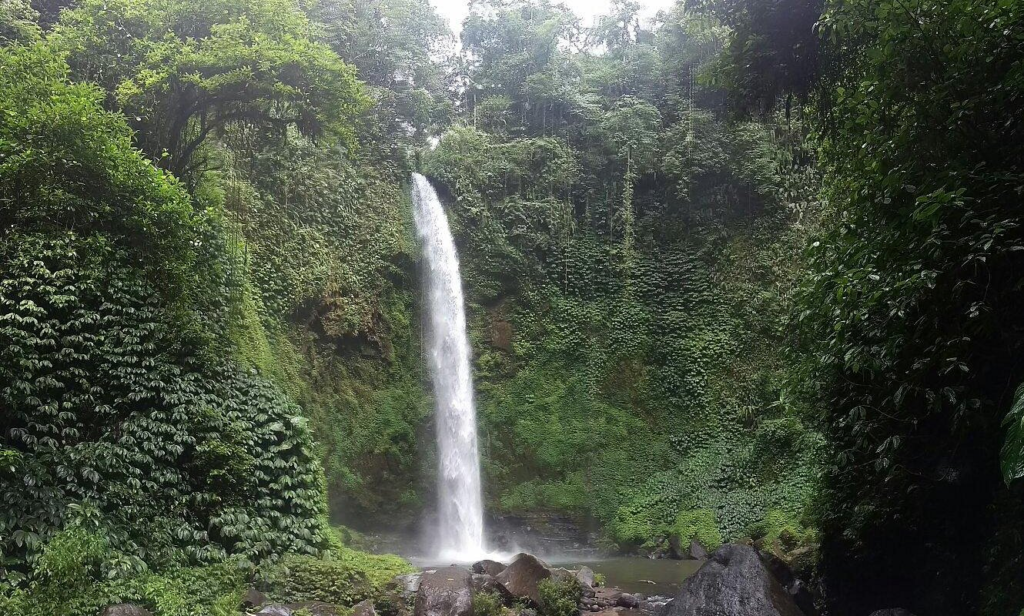
Nungnung sits at roughly 50 metres tall, one of the tallest single-drop waterfalls in Bali, and reaching it requires descending (and then ascending) over 500 steps carved into a steep hillside. It’s a proper workout, but the waterfall is genuinely awe-inspiring: loud, cold, and surrounded by dense forest that filters the light in shafts across the basin.
There are far fewer visitors here than at Tegenungan, which makes the extra effort worthwhile. Pack water, a light snack, and good shoes with grip.
Sumampan: The Underrated Gem Near Ubud
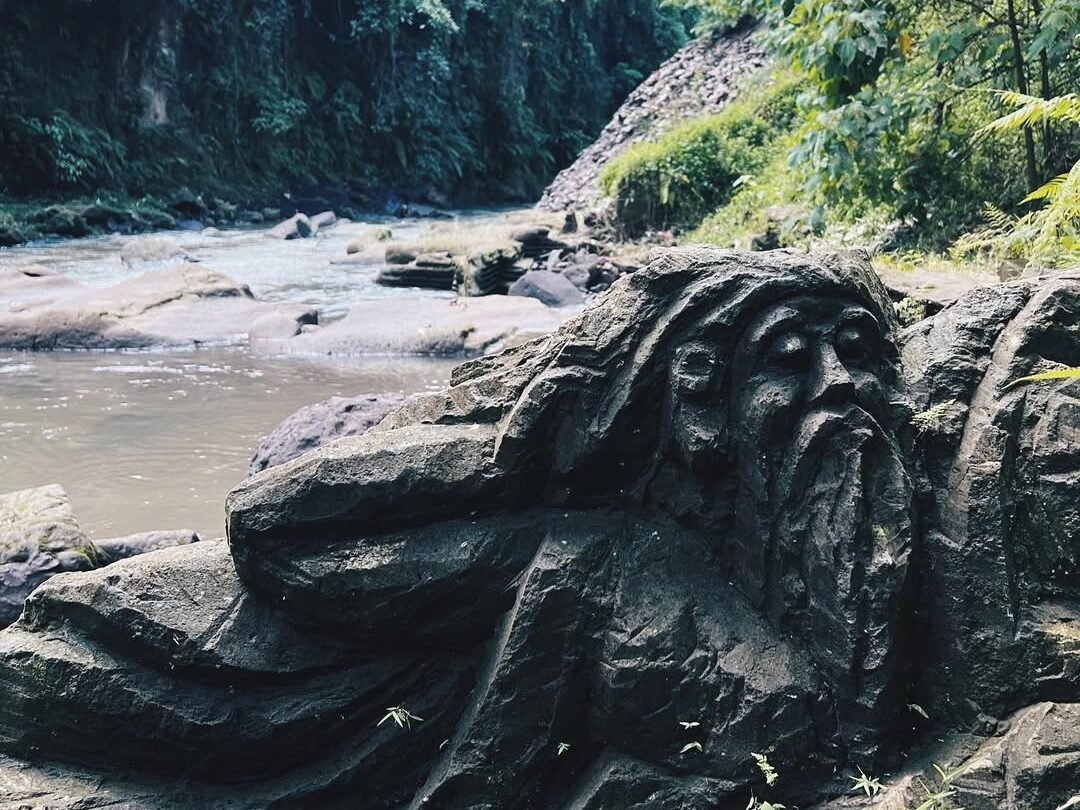
Often skipped in favour of its more famous neighbours, Sumampan waterfall is a tiered cascade tucked into the Ubud area that rewards those who seek it out. It’s calmer and more meditative than the high-traffic falls, the kind of place where you can sit on the rocks and not feel rushed.
The surrounding forest is lush year-round, and the access trail, while uneven, isn’t particularly demanding. It pairs well with a broader Ubud loop and is worth mentioning to your driver or guide as an add-on if you’re already spending time in the area.
What to Pack and Wear: Getting the Basics Right
First-time visitors often underestimate how physically demanding a waterfall-hopping day in Bali can be. A few practical things to keep in mind:
- Footwear matters more than anything else: Flip-flops can be risky on wet, mossy steps. Trail shoes or hiking sandals with good grip are a much safer choice.
- Bring a dry bag or waterproof phone case: The mist from powerful waterfalls can travel farther than expected, especially when you get close to the base.
- Pack a change of clothes: If you plan to swim or wade, having dry clothes will make the journey back far more comfortable. Some waterfalls provide simple changing areas, but bringing an extra shirt or light outfit is always a good idea.
- Don’t forget sunscreen and insect repellent: Even though many trails are shaded, jungle paths often have mosquitoes, and open viewpoints or hilltop areas can expose you to strong sunlight.
- Carry cash in small denominations: Entrance fees, parking, and tips for local guides are usually paid in cash, so having smaller bills on hand will make transactions easier.
💡 Pro Tip: Most waterfalls charge a modest entrance fee between IDR 15,000 and IDR 50,000. Having small bills avoids the usual change problem.
Timing Your Visit: Dry Season vs. Wet Season
The dry season (roughly April through October) is the most comfortable time to go waterfall hunting in Bali. Trails are more stable, river crossings are safer, and the water tends to run clear turquoise rather than the silty brown that follows heavy rain.
That said, the wet season has its own logic. Falls like Tegenungan and Kanto Lampo become dramatically more powerful between December and February. The extra volume transforms them into something genuinely commanding. If you don’t mind mud and the occasional downpour, wet-season visits carry a rawness that dry season simply doesn’t.
Whatever time of year you visit, mornings are always better than afternoons. The light is softer for photographs, the air is cooler for hiking, and the crowds are thinner. If you’re planning a multi-waterfall day, starting by 7 AM gives you a meaningful head start.
How to Plan a Multi-Waterfall Day Without Burning Out
Trying to fit five or six waterfalls into a single day is a tempting idea that almost always ends in exhaustion and diminishing returns. A far better approach is to pick two or three falls in geographic proximity and allow genuine time at each.
North Bali, for instance, makes sense as a standalone day trip if you’re going to Sekumpul, and adding Gitgit on the way back is manageable and complementary. For those based in Ubud, the Tegenungan–Sumampan–Kanto Lampo triangle is a coherent half-day circuit.
If you’d prefer to leave the planning entirely to someone else, a structured Bali waterfall tour takes care of transport, local guides, and entrance logistics so you can simply focus on the experience rather than the logistics.
Having a local driver for the day (rather than relying on ride-hailing apps) also helps considerably. Waterfall car parks can be chaotic, and having someone who knows the area means less time navigating and more time at the falls.
Respecting the Sites: A Note on Culture and Etiquette
Many of Bali’s waterfalls are considered spiritually significant. Some are located near active temples, while others serve as sites for purification ceremonies. This doesn’t mean they are off-limits to visitors, but it does call for a certain level of cultural awareness and respect.
- Dress modestly on the way in: A sarong or light cover-up is often available to borrow at the entrance if you arrive wearing shorts.
- Avoid disturbing offerings: If you see small arrangements of flowers, incense, and palm-leaf baskets on rocks or pathways, these are ceremonial offerings. Walk around them rather than stepping over or moving them.
- Keep noise levels respectful near temple areas: Waterfalls attract both spiritual visitors and tourists. A quieter, more considerate approach helps maintain harmony for everyone.
- Take your rubbish with you: Waste facilities are limited at many waterfall sites, and litter has become an increasing issue in some popular locations. Carrying your trash out helps protect the environment.
FAQ
What is the best time of year to visit Bali’s waterfalls?
The dry season (April to October) is the best time for waterfall hiking. Trails are firmer, paths less slippery, and the water runs clear. That said, Tegenungan and Kanto Lampo are more dramatic after rain. If you don’t mind muddy terrain, the wet season (November to March) has its own appeal.
Do I need a guide to visit Bali’s waterfalls?
For easy access waterfalls like Tegenungan or Kanto Lampo, a guide isn’t strictly necessary. However, for multi-waterfall routes or remote falls like Sekumpul, a local guide is strongly recommended, both for safety and to navigate unmarked trails. Many visitors also prefer the context a guide provides, explaining local beliefs around the sites.