If you’ve been dreaming of a Bali trip that goes beyond beach clubs and temple hopping, you’re not alone. More travelers seek quiet, immersive experiences. They want to slow down and feel the island rather than just photograph it.
Bali’s high-altitude botanical sanctuary in Bedugul consistently surprises first-time visitors. Whether you’re planning a trip or just curious, this guide covers all the essentials for your visit.
A Living Collection in the Mountains
Located 1,400 meters up Mount Pohen, the Eka Karya Bali Botanical Garden covers over 150 hectares. As Indonesia’s largest botanical garden, its massive scale often surprises unsuspecting visitors.
Established in 1959 to conserve Indonesian flora, this garden is now a research, education, and recreation hub. It offers a rare look at Bali’s ecological diversity, contrasting sharply with the island’s typical rice fields and coasts.
Suppose you’re planning to visit the Bali botanical garden, set aside at least three to four hours. Most visitors underestimate the sheer scale of the grounds and end up rushing through sections they wish they’d explored more carefully.
What You’ll Find Inside
The Plant Collections
The garden is organized into themed sections, each dedicated to a different plant family or ecosystem type. You’ll walk through collections of orchids, ferns, medicinal herbs, cacti, and rare Balinese forest plants. The orchid house alone is worth the trip; hundreds of species are kept here, many of which are endemic to Indonesia and wouldn’t survive in lower altitudes.
There’s also a dedicated section for useful plants, showcasing traditional crops and medicinal herbs that local communities have relied on for centuries. It’s surprisingly interesting, even if botany isn’t your thing; the labeling is informative, and the layout makes it easy to explore without a guide.
The Rose Garden and Cactus Greenhouse
Two highlights that tend to draw the most foot traffic are the rose garden and the cactus greenhouse. The rose collection features dozens of varieties that thrive in the cooler highland climate, and the best time to see them in full bloom is between June and September.
The cactus greenhouse, meanwhile, feels almost otherworldly. It’s one of the more unusual sights you’ll encounter in Bali, particularly for visitors who associate the island purely with tropical greenery.
Open Meadows and Forested Trails
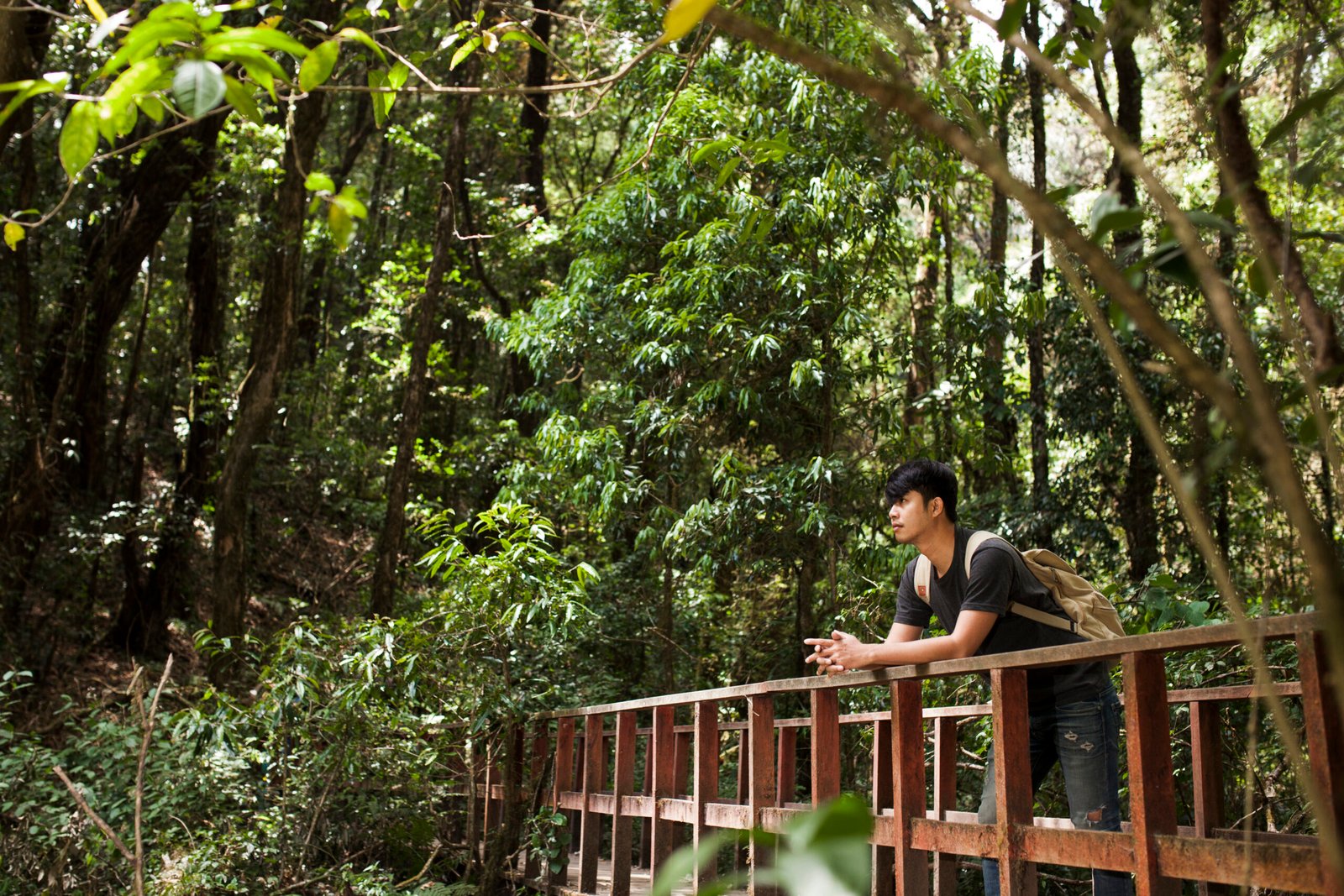
Beyond the curated collections, much of the garden consists of open meadows and forested walking trails that feel genuinely wild. These quieter zones are where the place really earns its reputation. Tall trees form a natural canopy overhead, mist drifts in from the surrounding hills on cooler mornings, and the soundscape shifts to birdsong and wind rather than traffic.
It’s a completely different sensory experience from the crowded tourist sites further south and one of the reasons the garden tends to stay in visitors’ memories long after more famous landmarks have blurred together.
Practical Information at a Glance
| Category | Details |
| Location | Candikuning, Baturiti, Tabanan Regency |
| Altitude | Approximately 1,400 m above sea level |
| Opening Hours | 08:00 – 17:00 WITA |
| Entrance Fee | Rp 25,000 – Rp 50,000 (varies by visitor type) |
| Best Time to Visit | Dry season (May – September) |
| Recommended Duration | 3–4 hours minimum |
| Nearest Landmark | Beratan Lake / Bedugul area |
Tips for Making the Most of Your Visit
Getting the most out of this sanctuary comes down to a few practical decisions:
- Go early: The garden is significantly more peaceful before 10 AM, especially on weekends when school groups and domestic tourists arrive in larger numbers. Morning light also filters beautifully through the forest canopy during the first hour after opening.
- Dress for the altitude: At 1,400 meters, the air is noticeably cooler than coastal Bali, often by 5 to 8 degrees Celsius. A light jacket or layer is strongly recommended, particularly if you’re visiting in the late afternoon when temperatures drop further.
- Bring comfortable footwear: The trails are well-maintained but cover uneven terrain across a large area. Sandals work in a pinch, but you’ll be far more comfortable in closed shoes if you plan to explore the forested sections.
- Consider combining it with nearby attractions: The Bedugul area offers several worthwhile stops within easy reach of each other. The iconic floating temple at Pura Ulun Danu Bratan sits just a few kilometers away, and the scenic drive up through the highlands passes villages, vegetable farms, and mountain views that are easy to miss if you’re not paying attention.
Pairing the Garden With a Broader Highland Itinerary
The botanical sanctuary works particularly well as part of a longer day trip through Bali’s central highlands, a route that many visitors find more rewarding than they expected. After exploring the garden, the drive south toward Tabanan and the western rice belt opens up some of Bali’s most underrated scenery.
The Belimbing rice terrace area, for example, offers sweeping views of tiered paddies against a mountainous backdrop that feels far less commercialized than the famous terraces further east. It’s the kind of stop that doesn’t appear in most itineraries but tends to become a favorite photograph.
For travelers pushing further into the southwestern coast, the clifftop scenery around Paluang Cliff provides a dramatic finish to a highland loop, with rugged ocean views that feel like a fitting contrast to the cool, green interior you started the day in.
Who Is This Place Right For?
The botanical garden isn’t for everyone, and that’s part of its appeal. It attracts a different kind of visitor than the Instagram-optimized attractions you’ll find elsewhere on the island.
It’s well-suited for:
- Nature enthusiasts and hikers who want to engage with Bali’s flora beyond ornamental gardens
- Families with children who need open space and something genuinely educational
- Photographers looking for soft, diffused light and botanical subject matter
- Travelers on a longer Bali itinerary who want to balance beach days with something more grounded
It’s probably not the best fit for visitors with very limited time who are trying to cover Bali’s greatest hits in three days. But if you have four or five days or if you’re returning to the island and have already done the standard circuit, it belongs near the top of your list.
FAQ
Is the Bali botanical garden suitable for young children?
Yes, it’s a family-friendly destination. The open meadows give children plenty of room to run around, and several of the plant collections are interactive enough to keep younger visitors engaged. The terrain is mostly walkable, though a stroller may be difficult on some of the forest trails.
How far is the botanical garden from Ubud?
The drive from Ubud takes approximately 1.5 to 2 hours, depending on traffic, traveling northwest through the highlands. It’s a scenic route that passes through Kintamani and the volcanic lake area, making the journey itself part of the experience.