Situated on the southwest coast of Nusa Penida, Bali, Paluang Cliff is one of the island’s most spectacular yet underrated viewpoints. Often overlooked by visitors who head straight to Kelingking Beach, this cliff offers a quieter alternative with equally breathtaking scenery.
As an experienced Indonesia tour operator, we often recommend this spot to those seeking a more serene connection with nature. Paluang Cliff rewards adventurous travelers with dramatic ocean views, unique photography spots, and a peaceful atmosphere away from the crowds. Its elevated position also provides a fresh perspective of the iconic Kelingking coastline, making it a must-visit for photographers and nature lovers.
Why Visit Paluang Cliff?
Paluang Cliff isn’t just another scenic overlook; it’s a destination worth planning around for your next holiday travel to Bali:
- The “Secret” Kelingking View: Get the perfect shot of the T-Rex head without the massive crowds or the dangerous trek down the stairs.
- Unique Photo Spots: Home to the famous “Wooden Boat” and “Bird’s Nest” platforms that overlook the turquoise Indian Ocean.
- Sunset Magic: Unlike many spots on the East Coast, Paluang Cliff offers a spectacular vantage point for watching the sun dip below the horizon.
- Paluang Temple: Located nearby, this unique temple features car-shaped shrines, offering a glimpse into Bali’s fascinating local spiritual life.
How to Get There
Paluang Cliff is located in Bunga Mekar Village, on the southwest side of Nusa Penida. It’s one of the closest viewpoints to Kelingking Beach, making it a perfect addition to your island itinerary.
From Nusa Penida’s Main Ports
Most visitors arrive on Nusa Penida through Banjar Nyuh (from Bali) or Sampalan Port (from mainland). From either port:
- Travel time: about 25–30 minutes
- Vehicle: scooter or car
- Route: the road goes uphill and winds through small villages, so the pace is naturally slower.
- Navigation: GPS works but the road signs are limited. Follow the “Kelingking Beach” direction, then continue to Bunga Mekar Village.
Important: The road is not always smooth, especially during the rainy season, so expect potholes and gravel. For a more comfortable trip, consider booking a Indonesia travel agency service that includes a driver and transportation.
From Kelingking Beach
If you’re already visiting Kelingking Beach, Paluang Cliff is a quick next stop:
- Travel time: around 5 minutes
- Distance: less than 3 km
- Best route: take the road up from the Kelingking viewpoint, then follow signs to Bunga Mekar Village.
This makes it easy to combine both viewpoints in one trip without spending extra time on the road.
Best Time to Visit
Arrive between 3:00 PM and 5:30 PM.
This is the sweet spot for Paluang Cliff because:
- Soft, golden lighting makes the ocean and cliffs look more dramatic (great for photos).
- Fewer tourists compared to midday, so you can enjoy the viewpoint calmly.
- You can stay until sunset without rushing, and watch the sky change colors over the sea.
Entrance Fees
- Small local fee at the entrance
- Estimated cost: IDR 5,000 – 10,000
- Usually collected by locals for site maintenance
- Pay in cash (some places may not accept digital payments)
What to Expect at the Viewpoint
Once you arrive and walk a short distance from the parking area, you’ll discover:
1. Panoramic Vistas
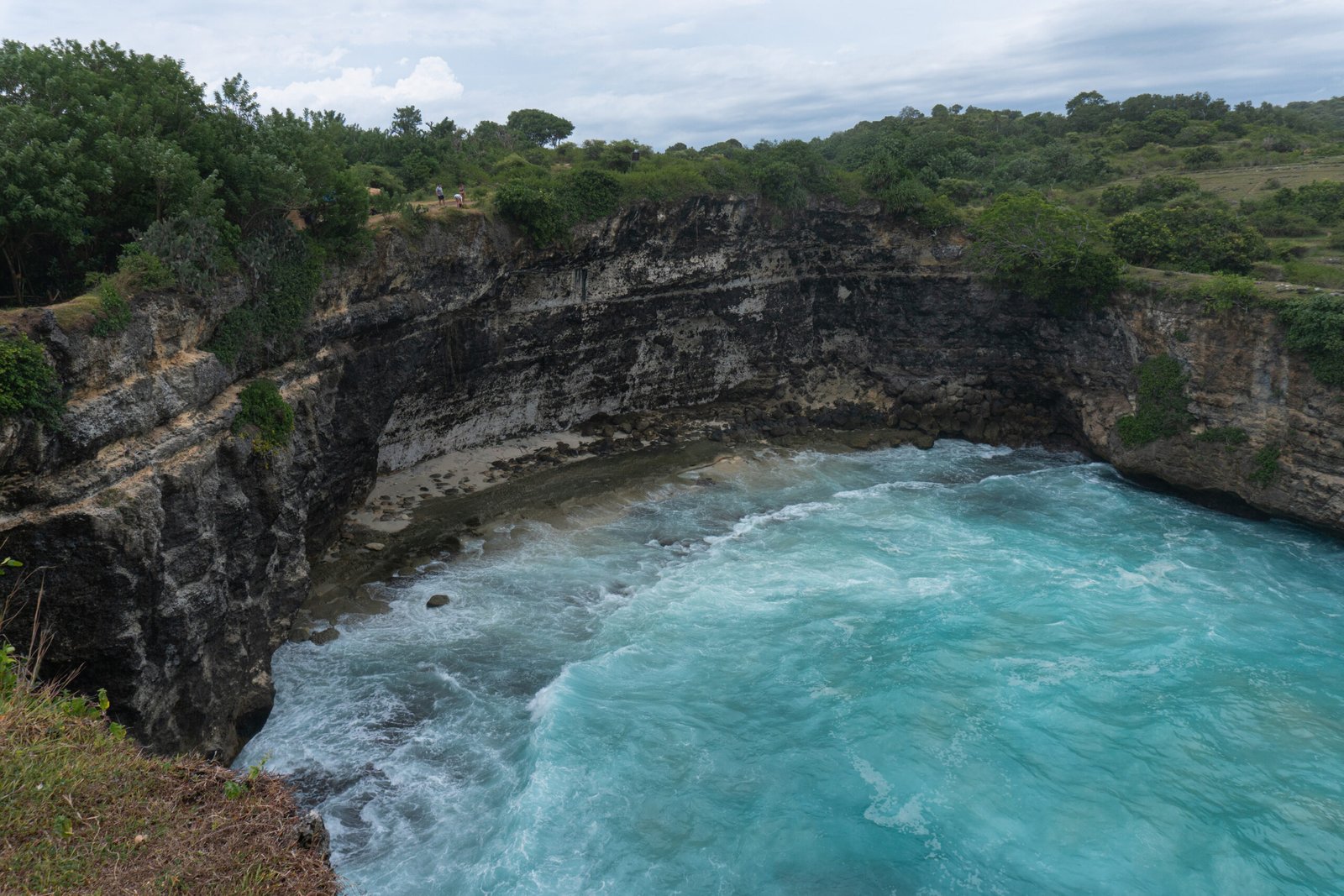
From the viewpoint, you will be welcomed by a sweeping panorama that stretches across the ocean and the rugged coastline. The cliff’s height allows you to see far into the distance, where the sea meets the sky in a seamless line.
The water below glimmers in different shades of blue depending on the sunlight, making the scene feel alive and ever-changing.
2. Photo Opportunities
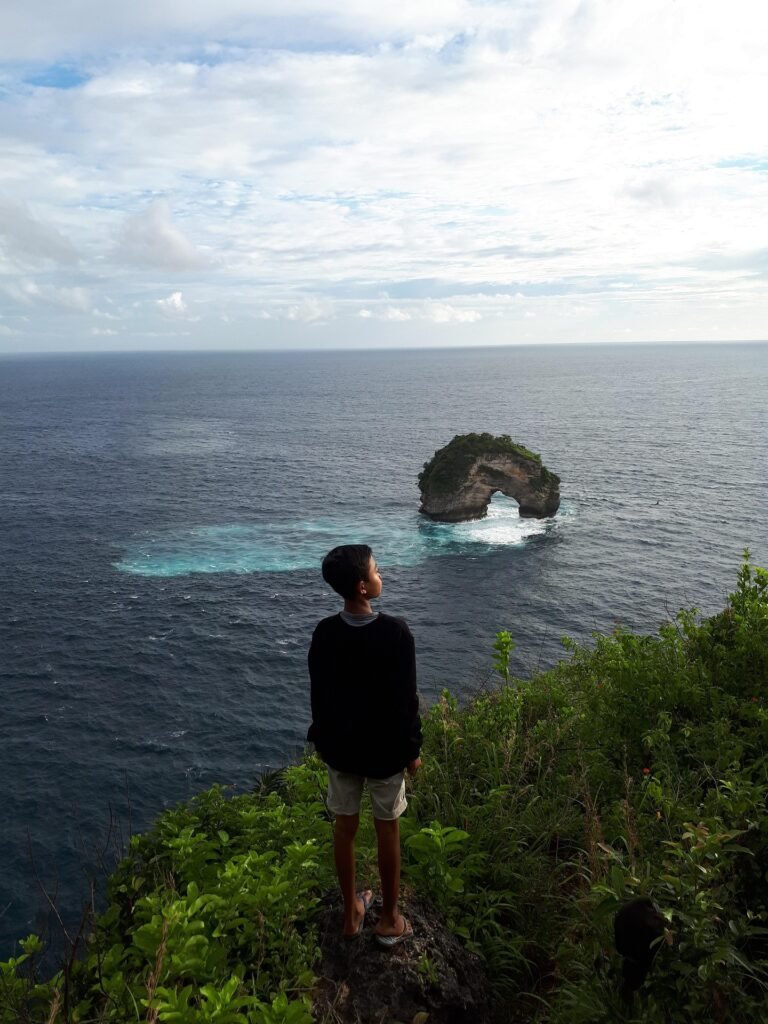
Paluang Cliff is a photographer’s dream because it offers unique and creative photo spots that feel different from typical beach views. The viewpoint area features props like a wooden boat, swings, and other scenic setups that make your photos look more dramatic and artistic.
These props are placed near the cliff edge, allowing you to capture the ocean as a breathtaking background. The cliff also provides natural frames, such as rock formations and lush greenery, which enhance the composition of your shots and give you many angles to experiment with.
3. Peaceful Ambience
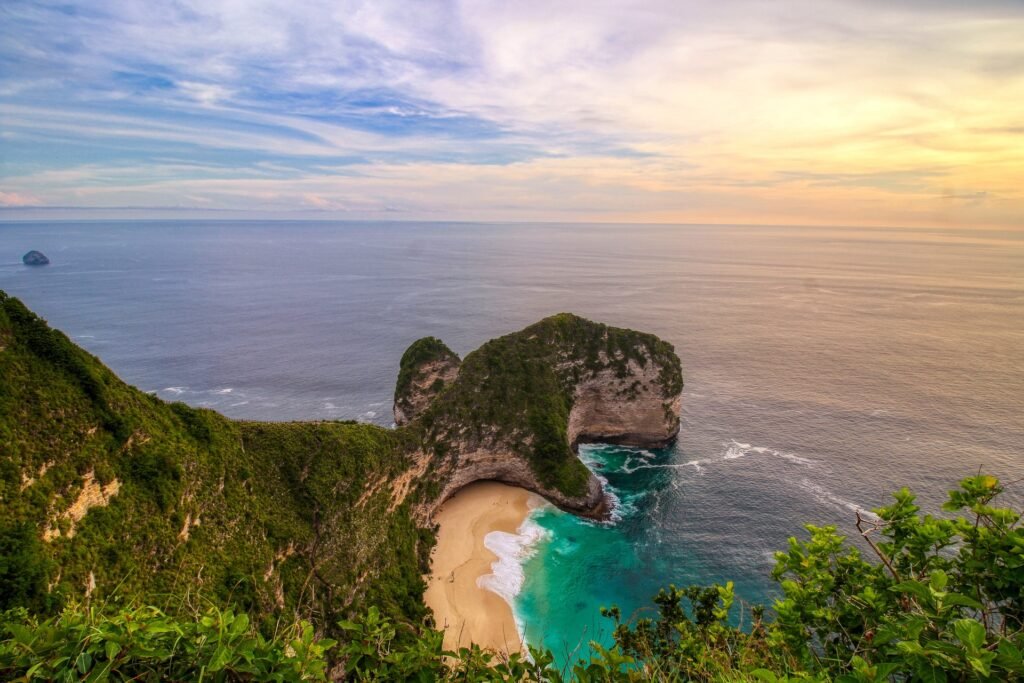
One of the best things about Paluang Cliff is its calm and serene atmosphere. Unlike other popular attractions in Nusa Penida that can be crowded and noisy, this viewpoint remains quiet and peaceful.
The area feels untouched and natural, allowing you to enjoy the scenery without distractions. The sound of waves crashing against the cliffs and the cool sea breeze create a soothing environment that invites you to slow down and fully soak in the moment.
Nearby Attractions
Visiting Paluang Cliff pairs well with other Nusa Penida highlights:
1. Kelingking Beach & Viewpoint
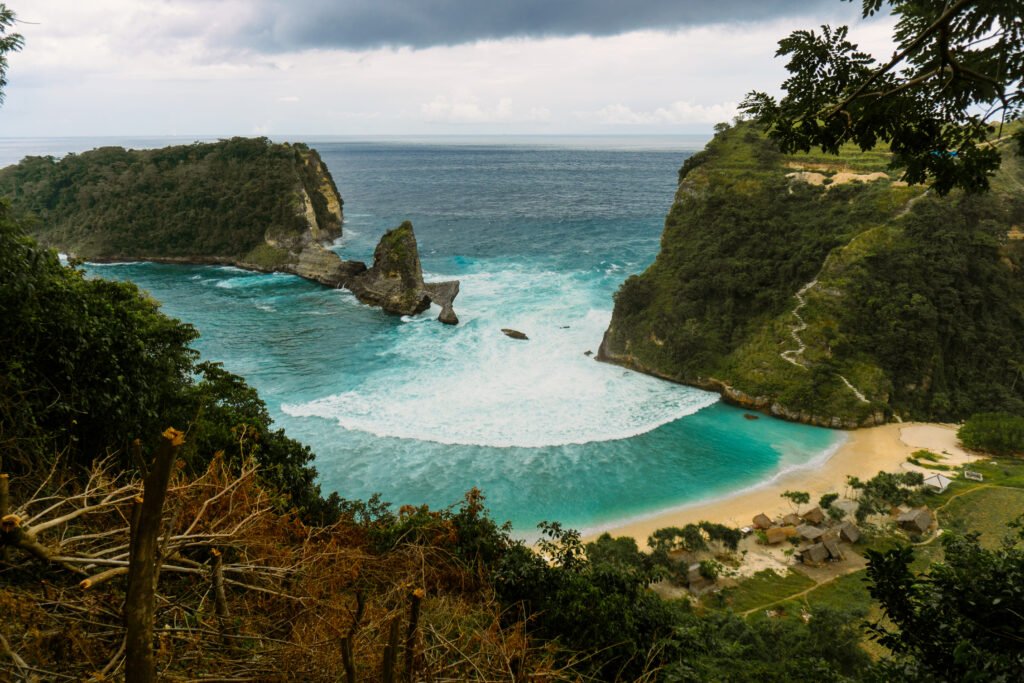
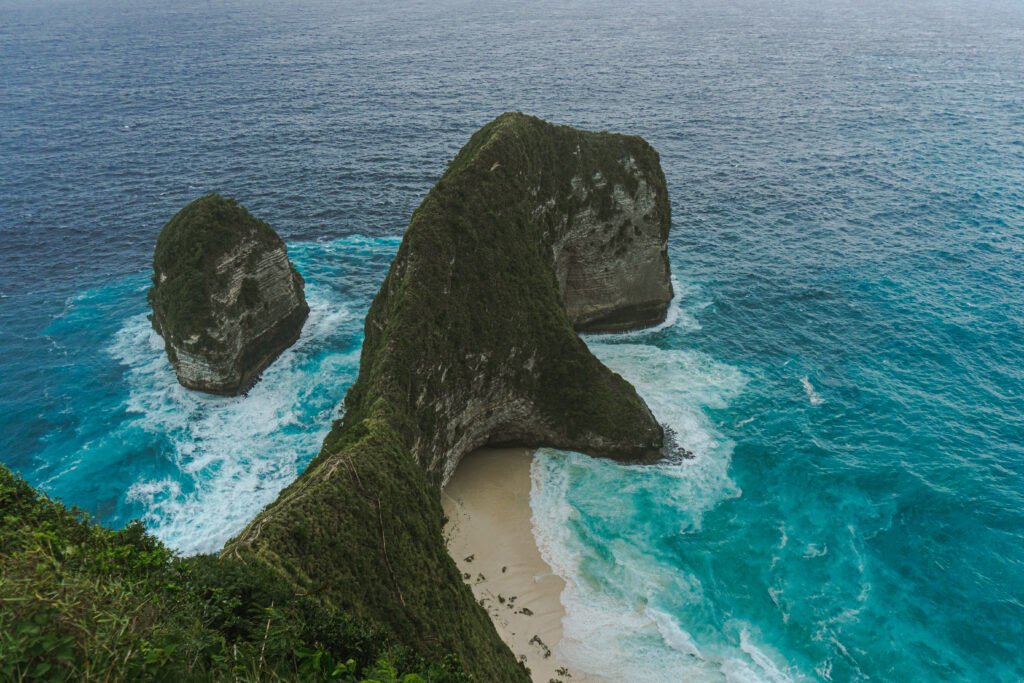
Kelingking Beach is the most famous landmark in Nusa Penida, known for its dramatic cliff formation that resembles a T-Rex. The viewpoint offers one of the most iconic photo spots in Bali, especially for those who love panoramic ocean views.
From Paluang Cliff, you can enjoy a different angle of Kelingking, particularly the left side of the cliff, which is less crowded and often overlooked by tourists. If you have time and energy, you can hike down to Kelingking Beach, where the steep path leads to a pristine white-sand beach and breathtaking ocean views.
2. Pura Paluang (Car Temple)
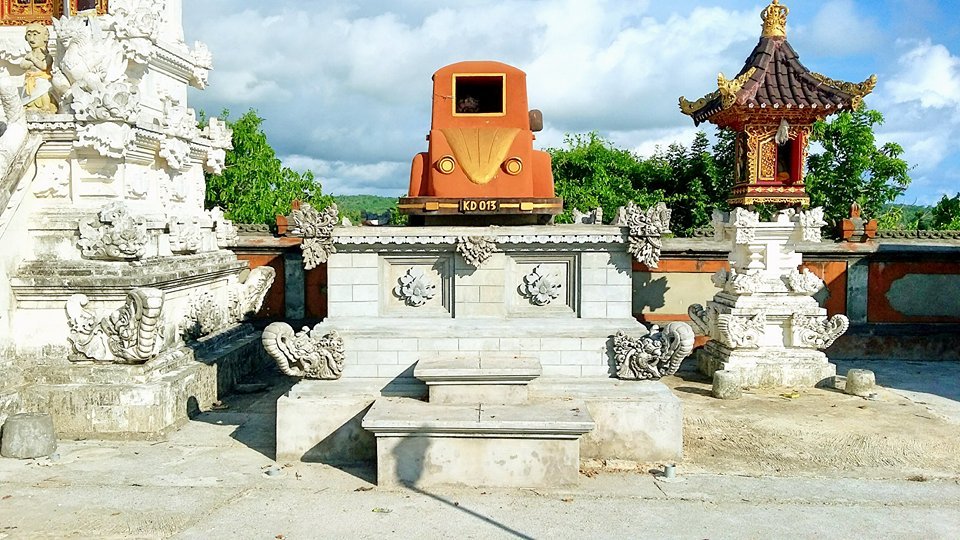
Pura Paluang is a small temple located near Paluang Cliff, and it stands out because it features old cars and vintage vehicle parts as part of its décor. This unusual design makes the temple feel like a blend of sacred space and quirky art installation.
Locals believe the temple brings good luck, especially for travelers and drivers, so many people stop by to offer prayers or make a wish. Although it is a brief visit, Pura Paluang adds a unique cultural touch to your itinerary and is perfect for travelers who want something different from typical tourist attractions.
3. Embon Beach
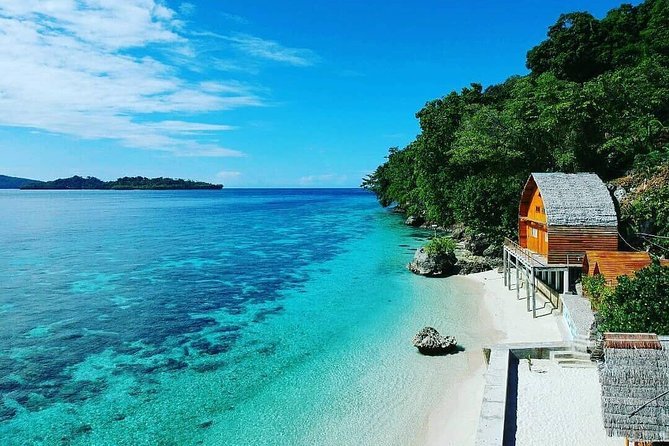
Embon Beach is a hidden coastal spot near Paluang Cliff, known for its calm turquoise water and rugged coastline. From the cliff top, you can already admire the stunning ocean view before you even head down to the shore.
The beach is quieter than many popular Bali beaches, making it a perfect place to relax, swim, or take photos without the crowds. Since the area is still relatively undeveloped, it offers a natural and peaceful atmosphere ideal for travelers who enjoy off-the-beaten-path destinations.
Paluang Cliff Information & Tips
| Feature | Detail |
| Location | Bunga Mekar Village, Klungkung Regency, Nusa Penida, Bali (South-western coast, close to Kelingking Beach) |
| Best Time to Visit | Late Afternoon (3 PM – 6 PM) for cooler weather and spectacular sunset views. Early morning also offers good light for photography. |
| Entry Fee | Typically a small local parking fee (approx. IDR 5,000 – 10,000 per vehicle). |
| Swing/Photo Props | Additional fee required for the Paluang Cliff Swing and other photo installations (negotiable, usually IDR 50,000 – 100,000 per person). |
| Accessibility | Roads can be challenging (steep, narrow, unpaved). Recommend hiring a local driver or joining a tour. |
| What to Bring | Camera, comfortable shoes, hat, sunglasses, sunscreen, water, small cash for fees. |
| Safety Tips | Exercise extreme caution near cliff edges. Do not cross safety barriers. Be mindful of loose rocks. |
| Highlights | Unique view of Kelingking Beach, iconic Paluang Cliff Swing, stunning sunset, fewer crowds. |
Visitor Tips
- Visit early morning or late afternoon to avoid crowds and enjoy better lighting for photos.
- Bring water, sunscreen, and a hat, because the sun in Nusa Penida can be very strong.
- Wear comfortable shoes since the path to the viewpoint can be rocky and slippery.
- Always stay a safe distance from the cliff edge, especially when taking photos, because wind conditions can change quickly.
- Check the weather before you go; cloudy or windy days can reduce visibility and make the area feel colder.
- Keep your belongings secure by using a backpack or bag with zippers, and make sure your phone or camera is strapped to avoid dropping them.
- Bring a power bank, especially if you plan to take lots of photos or record videos.
- Respect the environment by not leaving trash behind, avoiding damage to plants, and staying on designated paths.
- Dress appropriately: consider wearing a light jacket or shawl if you plan to stay until sunset, as the wind can feel strong at the cliff.
FAQ about Paluang Cliff Nusa Penida
1. What makes Paluang Cliff special?
Paluang Cliff is famous for its dramatic ocean views and unique cliff formations, offering a less crowded alternative to the more popular viewpoints in Nusa Penida.
2. How far is Paluang Cliff from Kelingking Beach?
It’s only about a 5–10 minute drive from Kelingking Beach, making it easy to visit both spots in one trip.
3. Do I need a guide to visit Paluang Cliff?
No, a guide is not necessary. However, hiring a local driver can make the trip easier because the roads can be narrow and bumpy.
4. Can I take photos at Paluang Cliff?
Yes, the viewpoint is very photogenic, with several photo spots that overlook the sea and surrounding cliffs. It’s a great place for sunrise or sunset photography.
5. Is Paluang Cliff suitable for a quick stop?
Yes, many travelers spend around 30–60 minutes here, enough time to enjoy the view and take photos.