The Bali Botanical Garden, locally known as Kebun Raya Bali, is one of the island’s most iconic natural attractions, offering a peaceful escape from Bali’s busy beaches and crowded tourist areas. This vast garden is a perfect place for nature lovers who want to enjoy calm surroundings and fresh mountain air.
Located in the cool central highlands of Bedugul, the garden sits at a high altitude, making it noticeably cooler than Bali’s coastal areas. Covering 157 hectares, it is the largest botanical garden in Indonesia and features diverse landscapes, rare plant collections, and tranquil walking paths.
A Brief History
Officially established on July 15, 1959, the Bali Botanical Garden was a vision of Indonesia’s first president, Sukarno. Originally conceived as a center for research and conservation of highland plant species, the garden has since evolved into a world-class botanical destination that combines science, education, and recreation.
Over the decades, the garden has expanded both in size and in scope, and today it is home to thousands of plant species from Indonesia’s mountainous regions, including orchids, ferns, bamboo, cacti, and traditional medicinal plants.
Why You Should Visit Kebun Raya Bali
Located at an altitude of 1,250 meters, the garden offers crisp mountain air and temperatures that typically range from 17°C to 25°C. This cool climate makes it a refreshing escape from Bali’s coastal heat.
It’s not just a park; the garden also functions as a major research center, preserving and studying more than 2,400 plant species. Many of these species are rare or endangered, making the garden an important hub for conservation.
If you’re planning a longer trip, consider working with a tailor-made travel service to combine the botanical garden with other attractions in Bali.
What to See and Do
Whether you’re a nature enthusiast or a family traveler, there’s plenty to discover at the Bali Botanical Garden:
Orchid Collection
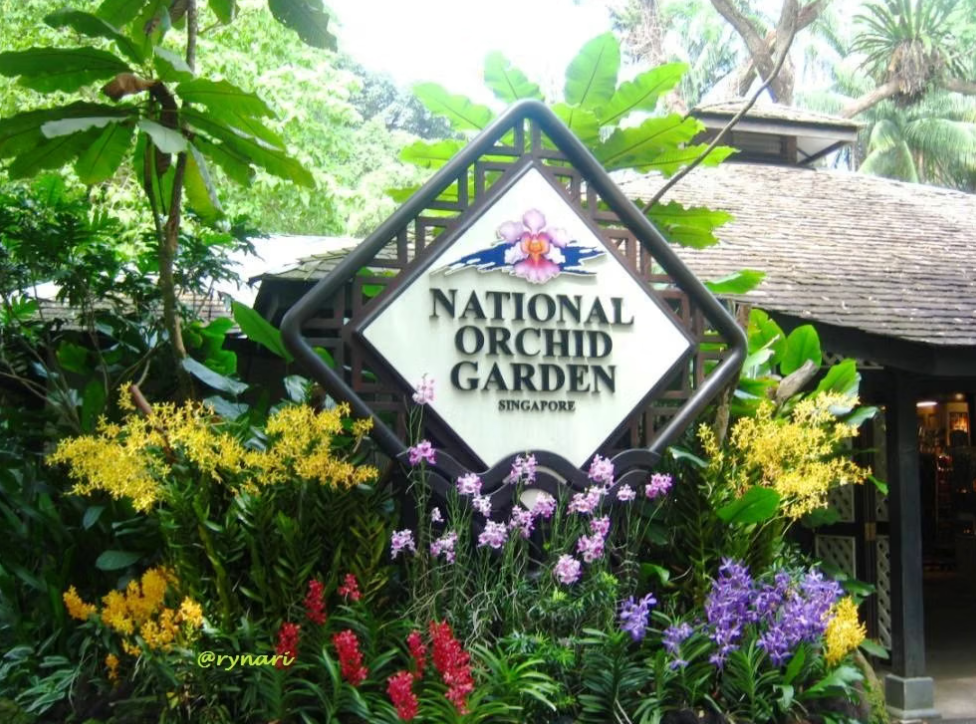
The orchid collection at Bali Botanical Garden is one of the largest in Indonesia, showcasing a wide range of species. Visitors can admire orchids that vary from vibrant, eye-catching blooms to rare and unusual varieties.
Most orchids are displayed in settings that resemble their natural habitats, which adds to the authenticity of the experience. This makes the garden not only visually impressive but also educational, especially for those interested in botany and conservation.
The Cactus & Succulent House
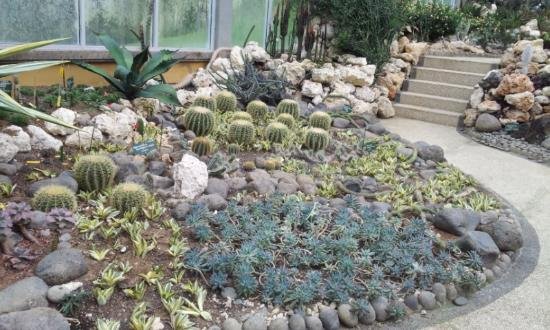
The cactus and succulent house provides a surprising contrast to Bali’s typical tropical greenery. Inside, you can see sharp cacti, thick-leaved succulents, and other desert plants that look almost “out of place” in a rainforest setting.
This section is also a great spot for unique photos thanks to its dramatic shapes and textures. The variety of forms from spiky cacti to geometric succulents makes it especially interesting for visitors who enjoy photography or design.
Medicinal & Ceremonial Plant Sections
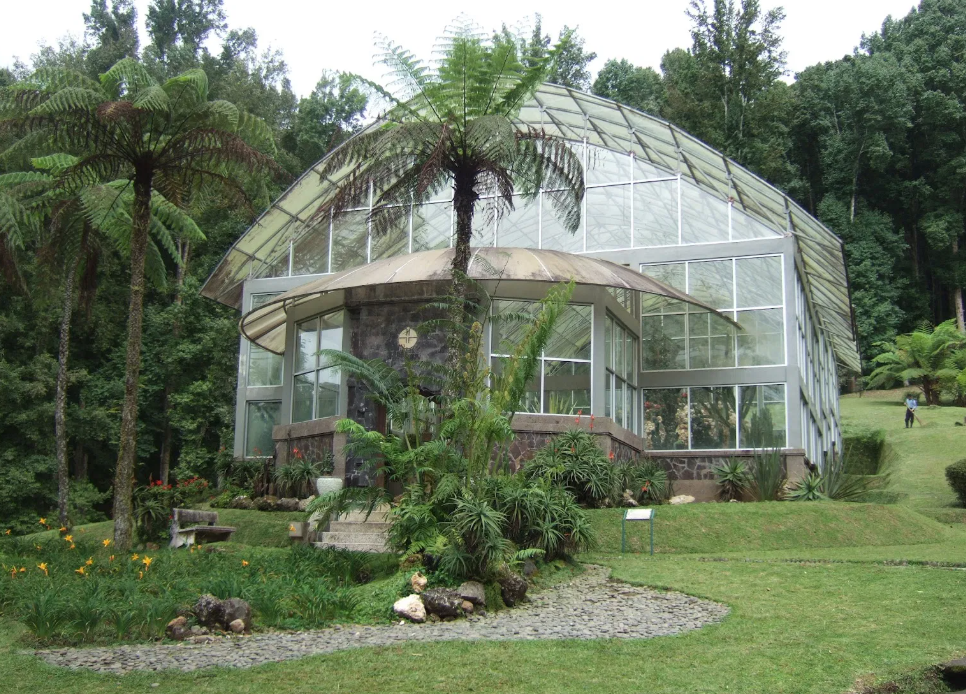
The medicinal and ceremonial plant areas showcase plants that play important roles in Balinese culture. Some of these plants are used in traditional medicine, while others are essential for religious rituals and offerings.
This section gives visitors a deeper understanding of how Balinese people rely on nature in daily life. By seeing these plants up close, you can appreciate how culture, spirituality, and the environment are closely connected in Bali.
Fern, Bamboo, and Rose Gardens
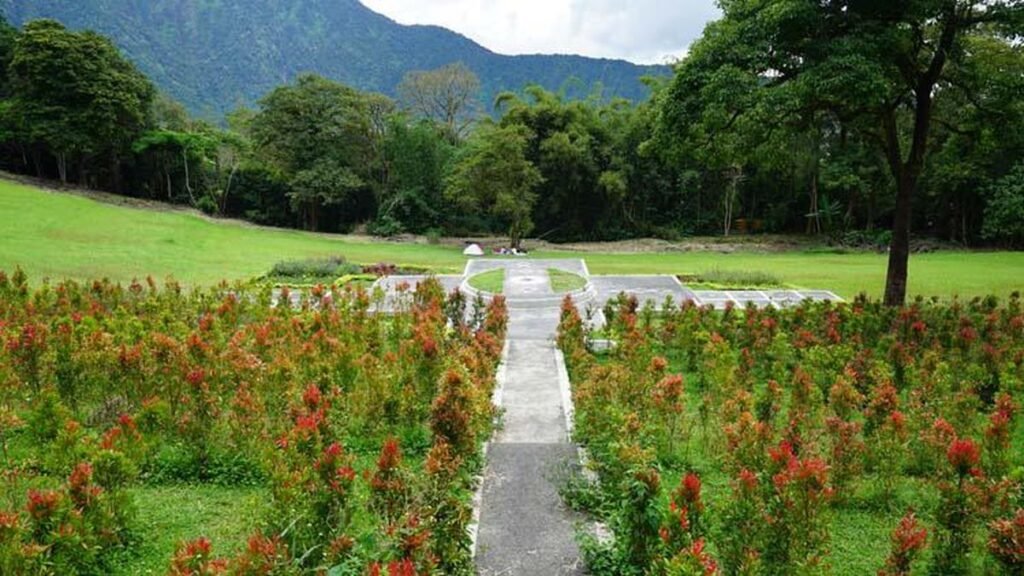
The fern, bamboo, and rose gardens offer shaded walking paths that are ideal for a leisurely stroll. The fern and bamboo sections create a tranquil, forest-like atmosphere that feels calm and refreshing.
Meanwhile, the rose garden adds vibrant colors and a gentle, sweet fragrance that enhances the experience. These areas are also popular among visitors for photography, as they provide naturally beautiful and “Instagrammable” backdrops.
Birdwatching & Wildlife
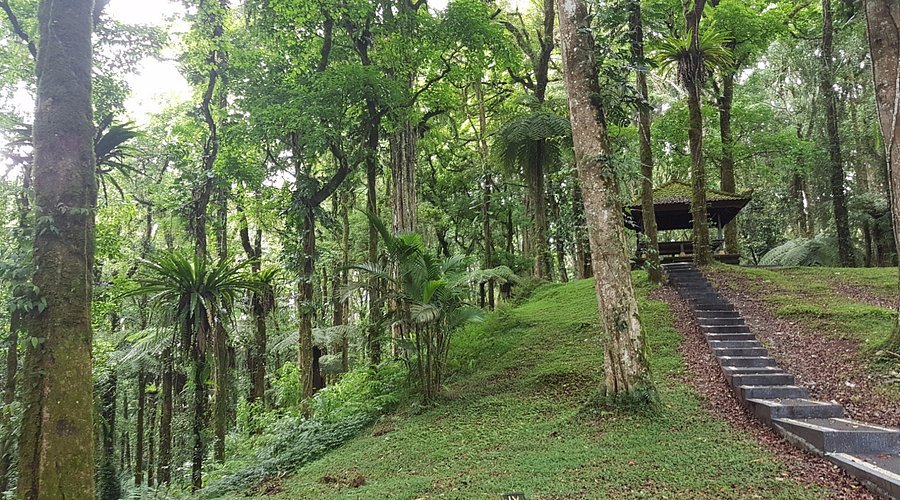
Bali Botanical Garden is home to over 70 bird species, making it a great place for birdwatching. The garden’s diverse habitats attract both resident and migratory birds, so visitors can often hear bird calls echoing through the trees.
You may also spot small animals like squirrels, monkeys, and occasionally treeshrews in the trees. These wildlife sightings, combined with the natural sounds of the forest, create a peaceful and immersive experience.
Practical Information for Your Visit
1. Location & Weather
Bali Botanical Garden is located in Bedugul, high in Bali’s central highlands, which makes it feel like a different world compared to the coastal areas. At an altitude of 1,250–1,400 meters above sea level, the garden enjoys cool mountain air that instantly refreshes visitors.
Temperatures usually stay between 17°C and 25°C, making it a perfect escape from Bali’s heat. Mist or light rain can happen anytime, especially in the late afternoon, so it’s best to bring a light jacket.
2. Opening Hours
- Lundi–Vendredi : 8h00 – 16h00
- Samedi–Dimanche : 8h00 – 17h00
- La dernière entrée est généralement vers 15h30. Ils ne vous laisseront pas entrer à 15h55 avec un panier de pique-nique et un plan pour explorer.
- Le jardin est ouvert tous les jours, y compris les jours fériés, mais essayez de ne pas arriver trop près de l’heure de fermeture.
- Vous aurez besoin d’au moins 1,5 à 2 heures pour vous promener sans vous presser.
3. Prix d’Entrée
- Environ 30 000 IDR par personne, mais les prix peuvent varier pour les visiteurs nationaux et internationaux.
- Le tarif peut changer pendant la haute saison ou lors d’événements spéciaux, il est donc conseillé d’apporter un peu d’argent supplémentaire.
- Les paiements numériques sont souvent préférés à l’entrée, il est donc pratique d’avoir un portefeuille électronique ou une carte prête.
- Gardez votre billet en sécurité car certaines zones peuvent vous demander de le présenter à nouveau.
4. Que Porter
En raison de son altitude élevée, le temps dans le jardin peut sembler frais même pendant la journée. Une veste légère ou un pull est recommandé, surtout si vous prévoyez de rester jusqu’à la fin de l’après-midi lorsque les températures baissent davantage.
Des chaussures de marche confortables sont essentielles car le jardin est vaste et nécessite beaucoup de marche. Vous passerez probablement plusieurs heures à explorer différentes sections, donc des chaussures adaptées rendront votre visite plus agréable.
5. L’Expérience Pique-nique
Le jardin est un endroit populaire pour les familles et les habitants qui souhaitent se détendre et profiter de la nature. De nombreux visiteurs apportent des nattes et des collations pour organiser un pique-nique à l’ombre de grands arbres, créant une atmosphère « style parc » calme et rare à Bali.
Si vous voulez une véritable expérience en plein air loin des foules touristiques habituelles de l’île, c’est l’un des meilleurs endroits pour vous détendre. La combinaison de l’air frais de la montagne et de la verdure luxuriante le rend parfait pour profiter d’un repas simple entouré par la nature.
Meilleur Moment pour Visiter Kebun Raya Bali
- Tôt le matin (7h00–9h00) est le meilleur moment pour visiter car l’air est encore frais et le jardin est paisible avant l’arrivée des foules. Vous obtiendrez également des photos plus claires avec moins de personnes en arrière-plan.
- Les jours de semaine (lundi–vendredi) sont plus calmes que les week-ends, car les familles locales et les touristes visitent davantage le samedi et le dimanche. Visiter en semaine vous donne plus d’espace pour marcher, explorer et profiter du jardin à votre rythme.
- La saison sèche (mai–septembre) est la période la plus pratique car la pluie est moins fréquente, donc votre visite a moins de chances d’être interrompue. Le ciel est également plus dégagé pendant cette période, rendant les vues sur les montagnes plus visibles et l’expérience de pique-nique plus confortable.
- La saison des pluies (octobre–avril) offre un charme différent, avec des paysages brumeux et une verdure luxuriante qui paraissent particulièrement spectaculaires en photos. Cependant, vous devriez apporter une veste imperméable légère ou un parapluie, car les averses peuvent survenir soudainement.
- La fin d’après-midi (16h00–17h00) est une autre bonne option pour une visite calme, car la lumière devient plus douce et le jardin semble plus serein. Assurez-vous simplement de ne pas arriver trop tard, car le jardin ferme généralement à cette heure-là.
Attractions à Proximité du Jardin Botanique de Bali
| Nearby Attraction | Why It’s Worth Visiting | Distance from Bali Botanical Garden (Approx.) | Best Time to Visit |
| Ulun Danu Beratan Temple | Iconic temple on Lake Bratan with stunning mountain views and serene water reflection | ~10–15 minutes | Late afternoon for sunset vibes |
| Handara Golf & Resort | Famous for its dramatic gate and golf course surrounded by misty mountains | ~20 minutes | Morning for clear photos |
| Bedugul Fruit Market | Fresh local fruits, vegetables, and Balinese snacks—great for quick bites | ~10 minutes | Morning when the market is lively |
| Lake Bratan (Danau Beratan) | Calm lake with beautiful scenery, perfect for a relaxing stroll or boat ride | ~10–15 minutes | Early morning for quiet and cool air |
| Candi Kuning Flower Market | Colorful flower market offering local blooms and souvenirs | ~15 minutes | Morning or early afternoon |
If you’re planning a full-day tour in Bali, the botanical garden is a great stop to combine with a Bali waterfall tour, or even a visit to the nearby Taman Ayun temple for a more cultural experience.
Explore Bedugul Highlights
Bedugul is Bali’s cool highland region, known for its lush landscapes, refreshing mountain air, and scenic viewpoints. It’s the perfect area to add to your itinerary if you want a nature-filled day away from the beach.
Here are some Bedugul highlights you can easily include in your trip:
- Nature & Garden Walks – enjoy peaceful greenery and tropical plant collections.
- Scenic Highland Views – stop at viewpoints for fresh air and panoramic scenery.
- Local Markets & Fresh Produce – experience Bedugul’s vibrant market culture and seasonal fruits.
- Cultural & Temple Visits – explore the local heritage in a calm and spiritual setting.
FAQ about Bali Botanical Garden
1. Is the Bali Botanical Garden suitable for families?
Yes! The garden is family-friendly and offers plenty of open spaces for kids to explore, along with educational displays about plants and nature.
2. Can I combine the garden visit with other attractions nearby?
Absolutely. The garden is close to popular attractions such as Ulun Danu Beratan Temple and Lake Bratan, making it easy to combine in a full-day trip around Bedugul.
3. Do I need a guide to explore the garden?
You don’t need a guide, but hiring one can be helpful if you want deeper insights into the plant species and the garden’s history.