

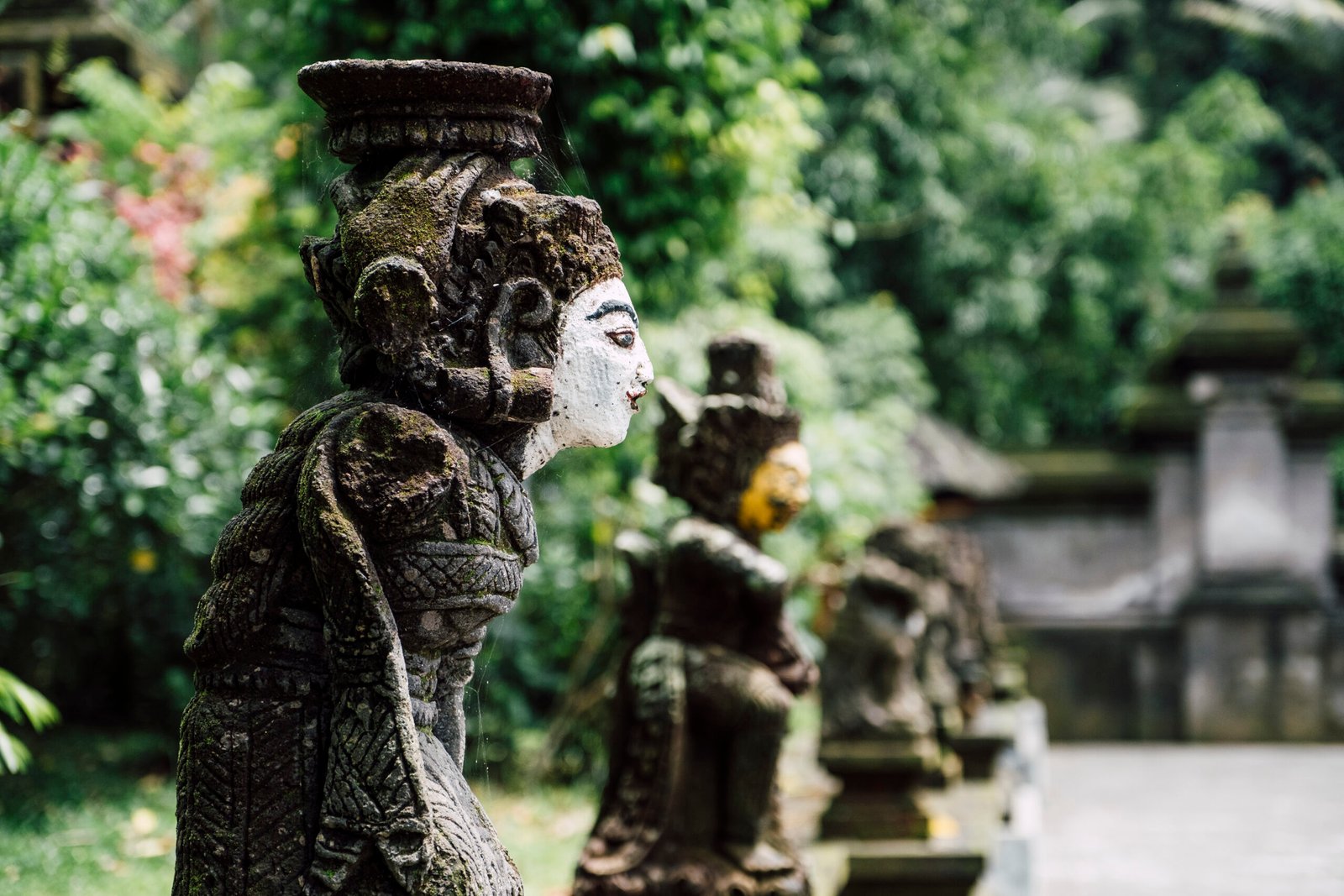
If you’re planning a temple tour in Bali, two names will almost certainly come up: Taman Ayun and Tanah Lot. Both are iconic landmarks deeply rooted in Balinese Hindu tradition, and both attract thousands of visitors every week.
So how do you decide which one to visit first, or whether to explore both in a single day? This guide breaks down the key differences between the two to help you plan your trip more strategically and make the most of your time.
The Basics: What Makes Each Temple Unique
Taman Ayun Temple
Built in 1634 as the royal temple of the Mengwi Kingdom, Taman Ayun Temple stands at the center of Mengwi village in Badung Regency. Its name means “beautiful garden in the water,” a fitting description for a temple encircled by a wide moat and surrounded by lush, manicured gardens that create a serene and regal atmosphere.
What distinguishes Taman Ayun is its iconic meru towers, the multi-tiered shrines that rise gracefully above the inner courtyard, along with its relatively peaceful ambiance compared to Bali’s busier attractions. In 2012, it was recognized as a UNESCO World Heritage Site as part of the Subak irrigation system, highlighting its deep historical and cultural significance beyond its visual beauty.
Best for: Travelers who appreciate architecture, history, and a more contemplative temple experience.
Tanah Lot
Tanah Lot is arguably Bali’s most photographed landmark. Perched on a rocky offshore outcrop in Tabanan, the temple appears to float above the Indian Ocean at high tide, creating one of the island’s most iconic sunset silhouettes.
That visual drama comes with a tradeoff: crowds. Although the main temple is off-limits to non-worshippers, the surrounding sea temple complex, clifftop paths, and nearby market still offer a rich and memorable experience.
Best for: First-time visitors to Bali, sunset seekers, and photographers.
Side-by-Side Comparison
| Factor | Taman Ayun | Tanah Lot |
| Location | Mengwi, Badung | Beraban, Tabanan |
| Distance from Seminyak | ~35 minutes | ~45 minutes |
| Best time to visit | Morning | Late afternoon (sunset) |
| Crowd level | Moderate | High |
| Entrance fee | ~IDR 20,000 | ~IDR 60,000+ |
| UNESCO status | Yes | No |
| Can enter inner temple? | Partial | No (non-worshippers) |
| Photography potential | High | Very high |
Which Should You Visit First?
The short answer: visit Taman Ayun in the morning, then head to Tanah Lot for sunset.
Here’s why this sequence works so well. Taman Ayun is at its best in the early hours, soft light filters through the banyan trees, the grounds are quiet, and you can actually hear the wind. By mid-morning, tour buses begin arriving. Starting here lets you absorb the temple’s calm before the day heats up.
Tanah Lot, on the other hand, is built for the late afternoon. The 90-minute drive between the two gives you a natural midday break to grab lunch along the way. Arriving at Tanah Lot around 4:30–5:00 PM puts you in position for the golden hour without being rushed.
This two-temple circuit is one of the most popular day routes in southern and central Bali, and for good reason. It balances cultural depth with visual payoff.
Combining With Other Experiences
If you’re spending a full day in the Mengwi–Tabanan corridor, there’s more to explore beyond the temples. The region sits close to some of Bali’s most rewarding nature spots, including hidden river valleys and jungle terrain that most beach-focused itineraries miss entirely.
Travelers who enjoy combining cultural and nature experiences often extend their trip with a Bali waterfall tour in the same area. The lush interior of Tabanan and its surroundings hold some of the island’s most underrated cascades, far from the south Bali tourist crowds.
One worth knowing about is Sumampan Waterfall, a relatively off-the-beaten-path drop tucked into the landscape near the Ubud border. It pairs well with a morning temple visit if you want a fuller day that blends spirituality with nature without too much driving.
Practical Tips Before You Go
- Dress code: Both temples require a sarong and sash. Rentals are available at the entrance, but bringing your own saves time.
- Timing: Avoid Tanah Lot on public holidays, the car park fills up by 4 PM.
- Guided vs. independent: Having a local guide adds considerable context to Taman Ayun’s history; at Tanah Lot, it matters less.
- Parking: Both sites have designated parking areas, but Tanah Lot gets congested. Arrive early or plan to walk a bit.
FAQ
Q: Can you visit both Taman Ayun and Tanah Lot in one day?
A: Yes, easily. The two temples are roughly 30–40 minutes apart by car. A comfortable itinerary would have you at Taman Ayun by 9 AM and at Tanah Lot by 5 PM, with time for lunch and a short stop in between.
Q: Is Taman Ayun worth visiting if you’ve already been to other Bali temples?
A: Absolutely. Taman Ayun offers something most popular temples don’t, genuine tranquility and a well-preserved royal garden setting. Its UNESCO heritage status reflects its cultural significance beyond just being a photogenic spot.